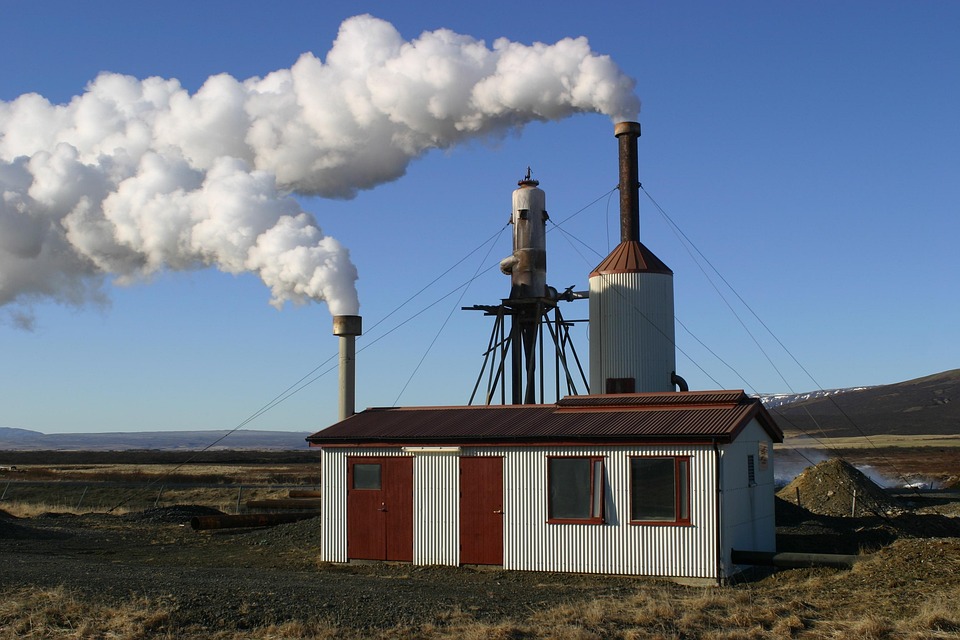
In recent years, the conversation around energy has shifted significantly. As concerns about climate change and environmental sustainability grow, the focus has increasingly turned towards renewable energy sources. Unlike fossil fuels, which are finite and contribute to environmental degradation, renewable energy sources are sustainable and have a lower environmental impact. This article explores the top renewable energy sources, their benefits, and their roles in the global shift towards sustainable energy solutions.
Solar Energy
Solar energy is perhaps the most recognized form of renewable energy. It harnesses the power of the sun through solar panels, converting sunlight into electricity. This energy source is abundant and sustainable, as the sun emits more energy in one hour than the entire world consumes in a year.
How It Works
Solar panels are composed of photovoltaic (PV) cells, which convert sunlight directly into electricity. These panels can be installed on rooftops, in solar farms, or integrated into building designs. Solar thermal systems, another solar technology, use sunlight to heat a fluid, which can then be used for heating or to generate electricity.
Advantages
Solar energy is clean, reduces electricity bills, and has low operating costs. It also provides energy security and independence, especially in remote areas. Technological advancements continue to reduce the cost of solar panels, making solar energy more accessible.
Challenges
One of the primary challenges of solar energy is its dependency on sunlight, making it less reliable in cloudy or night-time conditions without storage solutions. Moreover, the initial installation cost can be high, although this is offset over time by energy savings.
Wind Energy
Wind energy harnesses the natural motion of the wind to generate electricity. Wind farms, often located in areas with high wind speeds, use wind turbines to capture kinetic energy and convert it into electrical power.
How It Works
Wind turbines consist of large blades attached to a rotor. As the wind blows, it causes the blades to spin, which turns the rotor connected to a generator. This motion generates electricity, which can be fed into the power grid.
Advantages
Wind energy is a clean and inexhaustible power source. It helps reduce greenhouse gas emissions and dependence on fossil fuels. The land used for wind farms can often be used for agriculture or other purposes, providing additional economic benefits.
Challenges
Wind energy production can be inconsistent due to variable wind speeds. Additionally, wind farms can face opposition due to concerns about noise, aesthetics, and impacts on wildlife, particularly birds and bats.
Hydro Energy
Hydropower, or hydro energy, is one of the oldest and most established renewable energy sources. It utilizes the energy of moving water, typically from rivers or dams, to generate electricity.
How It Works
Hydropower plants capture the energy of falling or fast-moving water to spin a turbine connected to a generator. Dams are often used to control water flow and create a reservoir, ensuring a steady supply of electricity.
Advantages
Hydropower is a highly efficient and reliable energy source, capable of providing a consistent power supply. It supports grid stability and can be adjusted to meet changing energy demands. Additionally, it produces no direct emissions.
Challenges
The construction of large dams can have significant environmental and social impacts, including habitat disruption and displacement of communities. There are also concerns about the impact of climate change on water availability, which could affect hydropower generation.
Biomass Energy
Biomass energy is generated from organic materials, such as plant and animal waste. It is a versatile form of energy that can be used for electricity, heat, and even fuel.
How It Works
Biomass can be converted into energy through various processes, including direct combustion, anaerobic digestion, and pyrolysis. These processes release the stored chemical energy in biomass, which can then be used to generate electricity or heat.
Advantages
Biomass energy helps reduce waste by utilizing organic materials that would otherwise decompose. It is also considered carbon-neutral, as the carbon dioxide released during combustion is offset by the carbon absorbed during the growth of the biomass.
Challenges
Despite its benefits, biomass energy can contribute to deforestation if not managed sustainably. The production and transportation of biomass can also result in greenhouse gas emissions if not carefully controlled.
Geothermal Energy
Geothermal energy harnesses the heat from within the Earth to generate electricity or provide direct heating. This energy source is particularly effective in regions with high geothermal activity, such as volcanic areas.
How It Works
Geothermal power plants utilize steam or hot water from underground reservoirs to spin turbines connected to generators. The heat can also be used directly for heating buildings or industrial processes.
Advantages
Geothermal energy is a stable and reliable power source with a small land footprint. It produces minimal emissions and can operate continuously, providing base-load power.
Challenges
Geothermal energy is location-specific, limiting its widespread adoption. There are also concerns about induced seismicity and the release of harmful gases during drilling and extraction processes.
Ocean Energy
Ocean energy encompasses various technologies that harness the power of the ocean, including tidal, wave, and ocean thermal energy. Each of these technologies offers unique opportunities for renewable energy generation.
How It Works
Tidal energy captures the energy from rising and falling tides, often using underwater turbines. Wave energy devices capture the energy from surface waves. Ocean thermal energy conversion (OTEC) uses temperature differences between surface water and deep water to generate power.
Advantages
Ocean energy is abundant and offers significant potential for renewable energy generation. It is also predictable, particularly tidal energy, which operates on well-understood cycles.
Challenges
Ocean energy technologies are still in the early stages of development and can be costly to implement. They also face environmental and logistical challenges, such as impacts on marine ecosystems and the harsh conditions of the marine environment.
Conclusion
The transition to renewable energy is crucial for a sustainable future. Each of these top renewable energy sources offers unique benefits and challenges, and their development and integration into the global energy system will be critical in reducing our reliance on fossil fuels and mitigating climate change. As technology advances and costs decrease, the adoption of renewable energy is expected to continue growing, paving the way for a cleaner and more sustainable energy future.
#ChatGPT assisted in the creation of this article.