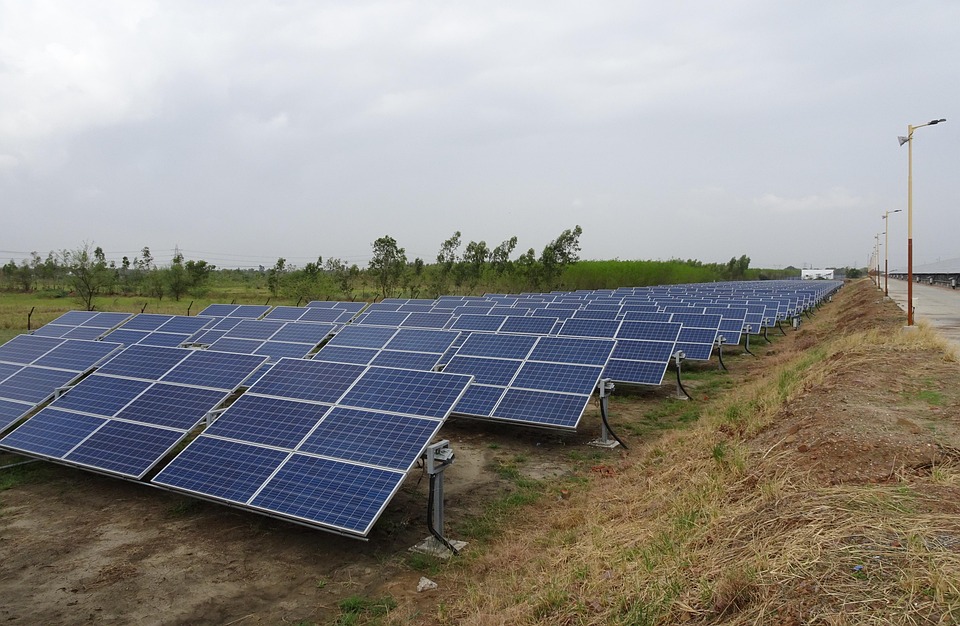
In an era where sustainability and cost-efficiency are at the forefront of business operations, commercial solar installations have emerged as a pivotal solution. Not only do they contribute to environmental preservation, but they also provide substantial financial benefits. By harnessing the power of the sun, businesses can significantly reduce their energy costs and maximize their return on investment (ROI). This article explores how commercial solar installations can optimize ROI, offering insights into the benefits, strategies, and considerations essential for businesses looking to adopt solar energy.
The Case for Commercial Solar Installations
Environmental and Economic Advantages
The shift towards renewable energy sources is driven by both environmental and economic incentives. Solar power offers a clean, renewable energy source that reduces carbon footprints and promotes sustainability. For businesses, this translates into not only fulfilling corporate social responsibility goals but also gaining a competitive edge by appealing to environmentally-conscious consumers.
Economically, solar installations help businesses cut down on electricity costs significantly. By generating their own power, companies can reduce their reliance on grid electricity, which is subject to price fluctuations. This stability in energy costs allows for more accurate financial forecasting and budget planning, enhancing overall financial stability and ROI.
Government Incentives and Tax Benefits
Government incentives play a crucial role in enhancing the ROI of commercial solar installations. Various programs, such as the Federal Investment Tax Credit (ITC) in the United States, offer substantial tax credits for solar energy systems. Businesses can claim a percentage of the cost of installing a solar energy system as a credit against their tax liability, effectively lowering the installation expense.
Additionally, some states and local governments offer rebates, grants, and performance-based incentives. These financial incentives can significantly reduce the initial investment required for solar installations, accelerating the payback period and increasing the overall ROI.
Strategies to Maximize ROI
Conducting a Thorough Energy Audit
Before investing in a commercial solar installation, conducting a comprehensive energy audit is essential. An energy audit helps businesses understand their energy consumption patterns and identify areas where solar power can have the most significant impact. It provides insights into the size and type of solar system needed and ensures that the installation can meet or exceed current energy demands.
Choosing the Right Solar System
Selecting the appropriate solar system is crucial for maximizing ROI. Businesses must consider factors such as the size of the facility, energy consumption patterns, and available roof or land space. Consulting with experienced solar installation companies can help determine the most suitable system, whether it’s a rooftop installation or a ground-mounted array.
Furthermore, businesses should explore options like solar power purchase agreements (PPAs) or leasing models, which allow them to benefit from solar energy without the upfront costs. These models can provide immediate energy savings and a positive cash flow from day one.
Optimizing Energy Usage
Integrating solar installations with energy-efficient practices further enhances ROI. Businesses can implement energy-saving measures, such as LED lighting, energy-efficient HVAC systems, and smart energy management systems. By reducing overall energy consumption, companies can maximize the impact of their solar installations, ensuring that generated solar power meets a larger portion of their energy needs.
Monitoring and Maintenance
Regular monitoring and maintenance of solar installations are crucial for optimal performance and longevity. Implementing a robust monitoring system allows businesses to track energy production, identify inefficiencies, and address any issues promptly. Routine maintenance ensures that the solar panels and associated equipment operate at peak efficiency, safeguarding the investment and maximizing ROI.
Case Studies: Success Stories in Commercial Solar
Retail Giant’s Solar Transformation
A leading retail chain in the United States embarked on a solar transformation journey by installing solar panels on the rooftops of its distribution centers. This strategic move resulted in reduced energy costs by 25% within the first year, translating into millions of dollars in savings. The company also leveraged federal and state incentives, further enhancing its ROI. Beyond cost savings, the retailer enhanced its brand image by showcasing its commitment to sustainability, attracting eco-conscious customers and increasing foot traffic.
Manufacturing Facility’s Energy Independence
A large manufacturing facility in Europe achieved energy independence by investing in a solar installation that covered its entire roof space. The facility now generates more than 80% of its energy needs from solar power, drastically reducing its reliance on external energy sources. This shift not only reduced operational costs but also insulated the business from volatile energy prices. The initial investment was recouped within five years, and the company continues to enjoy substantial savings, enhancing its competitive advantage in the market.
Considerations and Challenges
Initial Investment and Financing
While the long-term benefits of solar installations are undeniable, the initial investment can be substantial. Businesses must carefully evaluate their financial capacity and explore financing options such as loans, leases, or solar-as-a-service models. Collaborating with financial institutions that specialize in renewable energy projects can provide tailored solutions to manage the upfront costs effectively.
Regulatory and Zoning Compliance
Navigating regulatory and zoning requirements is essential for a successful solar installation. Businesses must ensure compliance with local building codes, zoning ordinances, and utility interconnection standards. Engaging with experienced solar developers who are well-versed in local regulations can streamline the permitting process and avoid potential delays or legal issues.
Technological Advancements
The solar industry is continually evolving, with advancements in technology leading to more efficient and cost-effective solutions. Businesses must stay informed about the latest developments, such as higher-efficiency solar panels, energy storage options, and smart grid integration. Investing in cutting-edge technology can enhance the performance and ROI of solar installations, ensuring long-term sustainability and profitability.
Conclusion
Commercial solar installations offer a compelling opportunity for businesses to maximize ROI while contributing to a sustainable future. By leveraging government incentives, conducting thorough energy audits, and adopting energy-efficient practices, companies can optimize the financial benefits of solar power. Success stories from various industries underscore the transformative potential of solar installations, showcasing reduced energy costs, enhanced brand reputation, and increased market competitiveness.
However, businesses must carefully consider the initial investment, regulatory compliance, and technological advancements to ensure a successful solar adoption. By making informed decisions and partnering with experienced solar providers, businesses can harness the full potential of solar energy, achieving both financial success and environmental stewardship.
#ChatGPT assisted in the creation of this article.