In an era where environmental consciousness is growing rapidly, the shift towards renewable energy sources like solar power is more pertinent than ever. One of the most accessible ways to harness solar energy is through rooftop solar installations. This not only contributes to environmental preservation but also offers significant financial benefits. This article delves into how you can maximize your savings with rooftop solar installations, highlighting the key factors to consider and the steps involved in making the most of this investment.
Understanding the Basics of Rooftop Solar
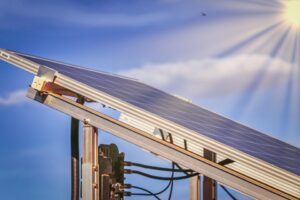
Rooftop solar installations involve placing solar panels on the roofs of residential or commercial buildings to capture sunlight and convert it into electricity. This system generally consists of solar panels, an inverter, a monitoring system, and mounting and racking equipment. The electricity generated can be used to power the building, and depending on the system, excess power can be fed back into the grid or stored in batteries for later use.
The Financial Benefits of Rooftop Solar
One of the primary motivations for adopting rooftop solar is its potential to reduce electricity bills significantly. By generating your own power, you reduce your reliance on the grid, which can lead to substantial savings over time. Furthermore, many regions offer incentives such as tax credits, rebates, and net metering policies that can enhance these savings further.
Key Factors to Maximize Savings
1. Optimal System Size
The size of your solar system should align with your energy consumption patterns. An oversized system might lead to unnecessary costs, while an undersized one could fail to meet your energy needs. Conducting a thorough analysis of your past electricity bills and consulting with a solar professional can help determine the ideal system size.
2. Location and Roof Orientation
The geographical location and the orientation of your roof play crucial roles in the efficiency of solar panels. Ideally, roofs that face south in the northern hemisphere or north in the southern hemisphere capture the most sunlight. Additionally, minimizing shading from trees or other buildings can significantly enhance energy production.
3. Quality of Equipment
Investing in high-quality solar panels and inverters can lead to better performance and longevity. While the initial cost may be higher, the reliability and increased efficiency of quality equipment can result in greater savings over the lifespan of the system.
4. Incentives and Rebates
Taking advantage of local, state, or federal incentives can dramatically reduce the overall cost of a solar installation. These can include tax credits, rebates, and performance-based incentives. Staying informed about available programs is essential for maximizing financial returns.
5. Net Metering Benefits
Net metering allows homeowners to sell excess electricity back to the grid, further reducing electricity bills. Understanding the local net metering policy and optimizing your system to benefit from it is crucial for maximizing savings.
Steps to Implement Rooftop Solar
1. Conduct a Feasibility Study
Before installation, a feasibility study should be conducted to assess the suitability of your roof for solar panels. This includes evaluating the structural integrity of the roof, the amount of sunlight it receives, and any potential shading issues.
2. Choose the Right Installer
Selecting a reputable and experienced solar installer is vital. They should offer a comprehensive service, including design, permitting, installation, and maintenance. Checking reviews, certifications, and past project portfolios can aid in making an informed choice.
3. Secure Financing
Various financing options are available for rooftop solar systems, including loans, leases, and power purchase agreements (PPAs). Understanding the financial implications of each option and selecting the one that aligns with your financial situation is crucial.
4. Installation and Monitoring
Once the planning and financing are completed, the installation process can begin. After installation, a monitoring system is essential to track the performance and energy production of the solar panels, ensuring that they are operating efficiently.
5. Maintenance and Upkeep
Regular maintenance is necessary to ensure that the solar panels remain clean and free of debris, which can impair their performance. Additionally, periodic inspections can help identify and rectify any potential issues early.
Long-Term Savings and Environmental Impact
Investing in rooftop solar is not just about immediate financial savings; it is a long-term commitment to reducing your carbon footprint. Over the lifespan of a solar system, the reduction in greenhouse gas emissions is substantial. This contributes to a cleaner and more sustainable environment, aligning with global efforts to combat climate change.
Conclusion
Rooftop solar installations offer a practical and effective way to harness renewable energy while maximizing financial savings. By understanding the key factors that influence system efficiency and cost-effectiveness, homeowners can make informed decisions that benefit both their wallets and the planet. As the world continues to move towards sustainable energy solutions, rooftop solar systems stand out as a viable option for those looking to make a positive impact both financially and environmentally.
#ChatGPT assisted in the creation of this article.