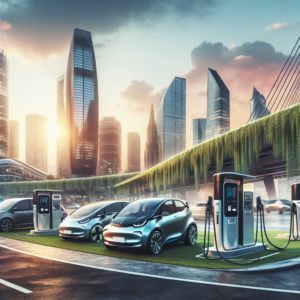
The electric vehicle (EV) revolution is accelerating at an unprecedented pace, driven by the urgent need to reduce carbon emissions and the growing consumer demand for sustainable transportation solutions. One of the critical aspects of this revolution is the development of fast charging stations, which promise to eliminate range anxiety and make EV travel more convenient and practical. This article delves into the transformative impact of fast charging stations on EV travel, exploring their technology, benefits, challenges, and future prospects.
The Evolution of Electric Vehicles
Electric vehicles have come a long way from being niche products to becoming mainstream contenders in the automotive market. With advancements in battery technology and increasing investments from major automakers, EVs are now more accessible and affordable than ever. However, despite these advancements, one major obstacle has persisted: the availability and efficiency of charging infrastructure.
The Rise of Fast Charging Stations
Fast charging stations are emerging as a game-changer in the EV industry. Unlike traditional charging stations, which can take several hours to fully charge a vehicle, fast charging stations are designed to significantly reduce charging time. They utilize direct current (DC) to deliver high power levels, enabling EVs to recharge in a matter of minutes rather than hours.
How Fast Charging Works
Fast charging stations operate at higher voltages and currents than standard Level 1 or Level 2 chargers. They can deliver power outputs ranging from 50 kW to over 350 kW, depending on the station and vehicle compatibility. The process involves converting AC power from the grid into DC power, which is then directly fed into the vehicle’s battery. This rapid transfer of energy allows for quick replenishment of the battery, making long-distance travel more feasible for EV drivers.
Benefits of Fast Charging Stations
The introduction of fast charging stations brings several benefits that are pivotal to the widespread adoption of electric vehicles.
Reduced Charging Time
The most apparent advantage is the reduced charging time. With fast charging, drivers can get back on the road in as little as 20 to 30 minutes, compared to several hours with traditional chargers. This convenience is crucial for those who need to travel long distances or have limited time for charging stops.
Increased Convenience and Accessibility
Fast charging stations are strategically located along highways, urban centers, and key travel routes, making it easier for EV drivers to find and access them. This network expansion means drivers are never too far from a charging point, thereby reducing range anxiety.
Encouraging EV Adoption
The presence of a robust fast charging infrastructure can boost consumer confidence in EVs, encouraging more people to make the switch from gasoline-powered vehicles. Knowing that they can quickly recharge their vehicles during road trips or daily commutes plays a significant role in the decision-making process for potential EV buyers.
Overcoming the Challenges
Despite their benefits, fast charging stations face several challenges that need to be addressed for their widespread deployment.
Infrastructure Costs
Installing fast charging stations involves significant upfront costs, including the installation of high-capacity electrical infrastructure and the acquisition of land or space. These costs can be a barrier for businesses and municipalities looking to expand their charging networks.
Grid Impact
Fast charging stations demand substantial power from the grid, which can strain local electrical networks, especially during peak times. To mitigate this, utilities and charging network providers must collaborate to enhance grid capacity and integrate renewable energy sources.
Compatibility and Standardization
The lack of universal standards for fast charging can lead to compatibility issues between different EV models and charging stations. Developing and adopting standardized connectors and protocols is crucial to ensure seamless charging experiences for all EV users.
The Future of Fast Charging Stations
The future of fast charging stations looks promising, with ongoing advancements poised to further revolutionize EV travel.
Innovations in Charging Technology
New technologies, such as ultra-fast charging and wireless charging, are under development and testing. Ultra-fast charging stations, capable of delivering over 500 kW, could reduce charging times to less than 10 minutes. Meanwhile, wireless charging offers the convenience of charging without cables, allowing vehicles to charge while parked over a charging pad.
Integration with Smart Grids
The integration of fast charging stations with smart grids will optimize energy use and distribution. This synergy enables dynamic load management, ensuring efficient use of renewable energy sources and minimizing the impact on local grids.
Expansion of Charging Networks
As the demand for EVs grows, so will the need for a comprehensive network of fast charging stations. Governments, businesses, and private investors are expected to play a significant role in funding and expanding charging infrastructure, particularly in underserved areas.
Impact on Urban Planning
Fast charging stations will influence urban planning and development. Cities may incorporate charging infrastructure into new developments, parking facilities, and public spaces, ensuring easy access for residents and visitors alike.
Conclusion
Fast charging stations represent a pivotal development in the evolution of electric vehicles, addressing one of the primary concerns of potential EV owners: charging convenience. As technology continues to advance and infrastructure expands, fast charging will play an increasingly critical role in driving the adoption of electric vehicles. The collaboration between governments, private enterprises, and utilities will be essential in overcoming challenges and ensuring the success of this transformative technology.
With the unveiling of fast charging stations, the future of EV travel is set to become more efficient, accessible, and sustainable, paving the way for a greener and more connected world.
#ChatGPT assisted in the creation of this article.