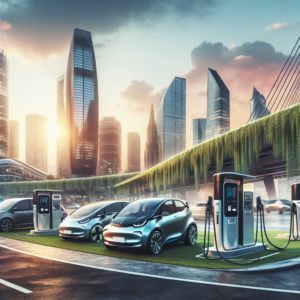
Electric vehicles (EVs) have emerged as a transformative force in the automotive industry, promising to reshape how we think about transportation. With growing concerns about climate change and a global shift towards sustainable energy solutions, EVs are increasingly seen as a pivotal component of the future of mobility. This guide aims to provide beginners with a comprehensive understanding of electric vehicles, their functioning, types, benefits, challenges, and future prospects.
What is an Electric Vehicle?
An electric vehicle is a type of vehicle that is propelled by one or more electric motors, using energy stored in rechargeable batteries. Unlike traditional internal combustion engine vehicles that rely on gasoline or diesel, EVs are powered by electricity, making them more efficient and environmentally friendly.
Types of Electric Vehicles
Battery Electric Vehicles (BEVs)
BEVs are fully electric vehicles with no internal combustion engine. They rely solely on electricity stored in batteries and must be plugged into a charging station to recharge. Popular examples include the Tesla Model 3, Nissan Leaf, and Chevrolet Bolt.
Plug-in Hybrid Electric Vehicles (PHEVs)
PHEVs combine a conventional internal combustion engine with an electric motor and a rechargeable battery. They can operate in electric mode for short distances and switch to gasoline for longer trips. Notable models include the Toyota Prius Prime and the Mitsubishi Outlander PHEV.
Hybrid Electric Vehicles (HEVs)
HEVs are similar to PHEVs but do not have a plug-in option. They use a combination of an internal combustion engine and an electric motor, with the battery being charged through regenerative braking and the engine. Examples include the Toyota Prius and Honda Accord Hybrid.
Fuel Cell Electric Vehicles (FCEVs)
FCEVs use hydrogen gas to power an electric motor. Hydrogen reacts with oxygen in a fuel cell to produce electricity, with water vapor as the only emission. The Toyota Mirai and Hyundai Nexo are among the few FCEVs available today.
How Do Electric Vehicles Work?
At the heart of an electric vehicle is its electric motor, which converts electrical energy from the battery into mechanical energy to drive the wheels. The key components of an EV include:
Battery Pack
The battery is the energy source of an EV, typically made of lithium-ion cells due to their high energy density and long lifespan. The capacity of the battery, measured in kilowatt-hours (kWh), determines the vehicle’s range.
Electric Motor
The electric motor is responsible for converting electrical energy into mechanical motion. EVs can have one or more motors, with some models featuring dual-motor setups for all-wheel drive capabilities.
Inverter
The inverter converts direct current (DC) from the battery into alternating current (AC) for the electric motor. It also plays a role in regenerative braking, converting kinetic energy back into stored electrical energy.
Charging System
EVs are equipped with onboard chargers that convert AC from the power grid into DC to charge the battery. Charging can be done at home using a standard outlet or at public charging stations with varying power levels.
Benefits of Electric Vehicles
Environmental Impact
EVs produce zero tailpipe emissions, significantly reducing air pollution and greenhouse gas emissions. As the electricity grid becomes greener, the environmental benefits of EVs will continue to grow.
Cost Savings
Electric vehicles often have lower operating costs than traditional vehicles. Electricity is generally cheaper than gasoline, and EVs have fewer moving parts, leading to reduced maintenance costs.
Performance
EVs offer instant torque, resulting in rapid acceleration and a smooth driving experience. Many EVs also boast a lower center of gravity, improving handling and stability.
Energy Independence
By reducing reliance on oil, EVs contribute to energy independence and security. They can also integrate with renewable energy sources, further enhancing sustainability.
Challenges Facing Electric Vehicles
Range Anxiety
Range anxiety refers to the fear of running out of charge before reaching a destination. While many modern EVs offer ranges exceeding 200 miles, concerns persist, especially for long-distance travel.
Charging Infrastructure
Although the number of charging stations is increasing, the availability and accessibility of charging infrastructure remain challenges, particularly in rural or remote areas.
Initial Cost
The upfront cost of electric vehicles can be higher than that of comparable gasoline vehicles, primarily due to the cost of batteries. However, government incentives and decreasing battery prices are helping to narrow the gap.
Battery Life and Disposal
Concerns about battery degradation over time and the environmental impact of battery disposal and recycling pose challenges. Advances in battery technology and recycling processes are addressing these issues.
The Future of Electric Vehicles
The future of electric vehicles is promising, with significant advancements in technology, infrastructure, and policy support. Here are some trends shaping the future of EVs:
Battery Technology
Ongoing research and development are focused on improving battery energy density, reducing charging times, and extending lifespan. Solid-state batteries, which promise greater safety and performance, are on the horizon.
Autonomous Driving
Many EV manufacturers are integrating autonomous driving technologies, which could revolutionize transportation by enhancing safety and efficiency.
Government Incentives and Policies
Governments worldwide are implementing policies to accelerate EV adoption, including subsidies, tax incentives, and stricter emissions regulations.
Global Market Growth
The global EV market is expected to grow exponentially, driven by increasing consumer demand, technological advancements, and environmental awareness.
Conclusion
Electric vehicles represent a pivotal shift in how we approach transportation, offering numerous benefits for individuals and society. While challenges remain, the continued development of technology and infrastructure, coupled with supportive policies, will shape a sustainable and electrified future. For beginners looking to understand electric vehicles, this guide provides a foundational overview of the landscape and what to expect in the years to come.
Further Reading and Resources
For those interested in diving deeper into the world of electric vehicles, consider exploring resources such as:
– The U.S. Department of Energy’s Alternative Fuels Data Center
– The International Energy Agency’s Global EV Outlook
– Industry reports from major automotive manufacturers
– Online forums and EV owner communities
As the electric vehicle market continues to evolve, staying informed and engaged will be key to understanding and embracing this exciting automotive revolution.
#ChatGPT assisted in the creation of this article.