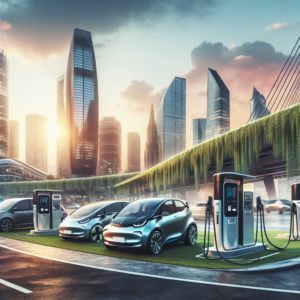
The rise of electric vehicles (EVs) has brought about a significant shift in the automotive industry, driven by the need for sustainable and eco-friendly transportation solutions. As more people transition from traditional gasoline-powered cars to EVs, the demand for accessible and efficient EV charging stations has surged. Whether you are a seasoned EV owner or a potential buyer exploring the market, finding top EV charging stations nearby is crucial for a seamless driving experience. This article delves into the importance of EV charging infrastructure, how to locate charging stations, and tips for maximizing your EV charging experience.
The Importance of EV Charging Infrastructure
EV charging infrastructure is a critical component in the widespread adoption of electric vehicles. The network of charging stations acts as a lifeline for EV owners, ensuring that they can recharge their vehicles conveniently and efficiently. Here are some reasons why a robust charging infrastructure is vital:
- Range Anxiety Mitigation: A well-distributed network of charging stations alleviates range anxiety, a common concern among potential EV buyers. Knowing that charging stations are readily available reduces the fear of being stranded with a depleted battery.
- Encourages EV Adoption: Accessible charging infrastructure encourages more people to switch to EVs, contributing to reduced carbon emissions and a better environment.
- Convenience and Flexibility: A diverse range of charging options, including fast chargers and standard chargers, provides flexibility and convenience for different user needs and travel plans.
Types of EV Charging Stations
Understanding the different types of EV charging stations is essential for effectively utilizing the charging infrastructure. Here are the primary types of charging stations you might encounter:
Level 1 Charging
Level 1 chargers are the most basic type of EV charging stations, providing charging through a standard 120-volt AC outlet. These chargers are typically included with the purchase of an EV. Level 1 charging is the slowest method, adding approximately 2 to 5 miles of range per hour. It is ideal for overnight charging at home or in situations where longer charging times are acceptable.
Level 2 Charging
Level 2 chargers operate on a 240-volt AC outlet, similar to those used for large household appliances like electric dryers. These chargers are commonly found in public charging stations, workplaces, and homes. Level 2 charging significantly reduces charging time, offering 10 to 60 miles of range per hour, depending on the vehicle and charger capacity.
DC Fast Charging
DC fast chargers, also known as Level 3 chargers, provide the quickest charging option available. These stations use direct current (DC) to charge an EV’s battery rapidly, often delivering up to 80% charge in 20 to 30 minutes. DC fast charging is ideal for long-distance travel and quick top-ups during road trips. However, not all EVs are compatible with DC fast charging, so it’s essential to check your vehicle’s specifications.
How to Find Top EV Charging Stations Nearby
Finding top EV charging stations nearby involves utilizing various tools and resources to ensure a seamless charging experience. Here are some effective methods to locate charging stations:
Mobile Apps and Websites
Several mobile apps and websites provide comprehensive databases of EV charging stations. These platforms offer real-time information about station locations, availability, pricing, and user reviews. Popular apps include PlugShare, ChargePoint, and Tesla’s own app for Tesla owners. Users can filter results based on charging speed, connector type, and amenities to find the most suitable charging station.
In-Car Navigation Systems
Many modern EVs come equipped with in-car navigation systems that include integrated charging station locators. These systems offer real-time updates and can guide drivers to the nearest charging station. Additionally, some systems provide information on charging station availability and estimated charging times.
Online Maps and Search Engines
Online mapping services like Google Maps and Apple Maps have incorporated EV charging station information into their platforms. Users can search for “EV charging stations” to view nearby options, complete with details such as charging speed, user ratings, and operating hours.
Community and Social Networks
Online forums and social media groups dedicated to EV enthusiasts can be valuable resources for finding top charging stations. Community members often share their experiences, recommend reliable stations, and provide insights into lesser-known charging spots.
Factors to Consider When Choosing a Charging Station
When selecting an EV charging station, several factors should be considered to ensure a smooth experience:
- Charging Speed: Determine the charging speed you need based on your itinerary and time constraints. Fast chargers are ideal for quick top-ups, while Level 2 chargers are suitable for longer stops.
- Connector Compatibility: Ensure the charging station is compatible with your EV’s connector type. Common connector types include CHAdeMO, CCS, and Tesla Supercharger.
- Cost: Charging costs can vary significantly between stations. Check the pricing structure and choose a station that fits your budget. Some locations offer free charging, particularly at shopping centers or hotels.
- Availability and Wait Times: Check the station’s availability and potential wait times, especially during peak hours. Apps and websites often provide real-time occupancy data to help you plan accordingly.
- Amenities: Consider the amenities available at the charging station, such as restrooms, restaurants, or shopping centers, to make the most of your charging stop.
Tips for Maximizing Your EV Charging Experience
To make the most of your EV charging experience, consider the following tips:
Plan Ahead
Before embarking on a journey, plan your route and identify charging stations along the way. Account for charging stops in your travel itinerary to avoid unnecessary delays.
Charge Smart
If possible, charge your EV during off-peak hours to take advantage of lower electricity rates and reduce demand on the grid. Additionally, avoid charging to 100% unless necessary, as maintaining a charge between 20% and 80% is optimal for battery health.
Keep Charging Accessories Handy
Equip your vehicle with necessary charging accessories, such as adapters and extension cords, to accommodate different charging stations and scenarios.
Stay Informed
Keep up with the latest developments in EV charging technology and infrastructure. Advancements in charging speeds, battery technology, and station availability can enhance your overall EV ownership experience.
Engage with the EV Community
Participate in online forums and local EV meetups to exchange tips and experiences with fellow EV owners. The EV community is a valuable source of information and support for navigating the world of electric vehicles.
Conclusion
As the electric vehicle market continues to grow, so does the need for a robust and accessible EV charging infrastructure. Finding top EV charging stations nearby is essential for a seamless driving experience, whether you’re commuting to work or embarking on a cross-country road trip. By understanding the types of charging stations, utilizing available resources, and considering key factors, you can ensure that your EV charging experience is efficient and stress-free. Embrace the future of transportation and enjoy the benefits of driving an electric vehicle.
#ChatGPT assisted in the creation of this article.