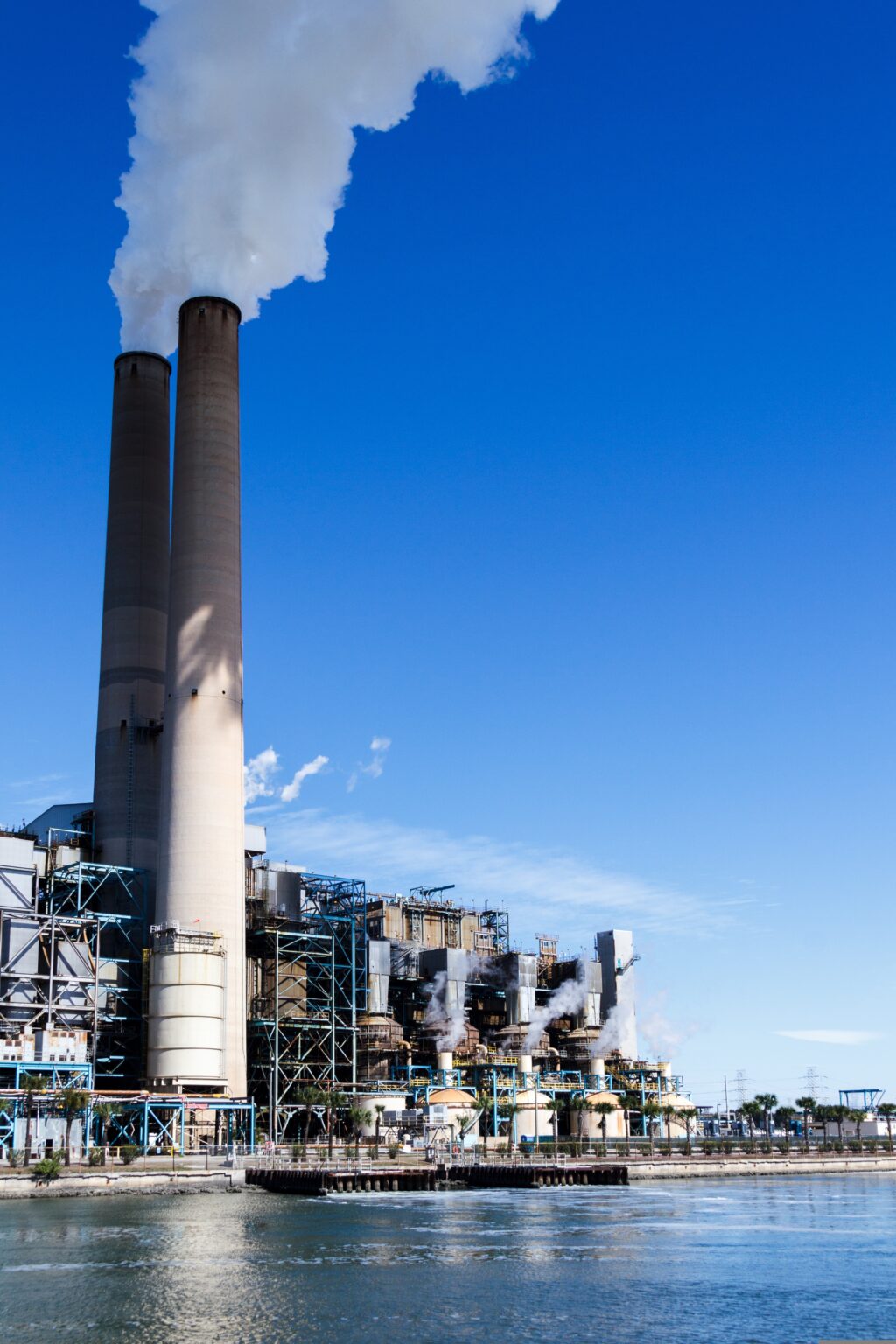
In the rapidly evolving landscape of manufacturing, energy efficiency has emerged as a critical component for maintaining competitiveness, reducing costs, and minimizing environmental impact. As the industry faces increasing pressure from regulatory bodies, consumers, and stakeholders to operate sustainably, revolutionizing energy use has become essential. This article explores strategies and technologies that can help manufacturers maximize efficiency, reduce energy consumption, and transform their operations.
The Importance of Energy Efficiency in Manufacturing
Manufacturing is one of the most energy-intensive sectors, accounting for a significant portion of global energy consumption. This high energy demand not only contributes to elevated operational costs but also results in substantial greenhouse gas emissions. Enhancing energy efficiency in manufacturing operations can lead to numerous benefits, including:
- Cost Savings: Reducing energy consumption directly lowers utility bills, improving profit margins.
- Environmental Impact: Lower energy use translates to fewer emissions and a smaller carbon footprint.
- Regulatory Compliance: Adhering to energy efficiency standards helps meet regulatory requirements and avoid penalties.
- Enhanced Reputation: Demonstrating a commitment to sustainability can enhance brand image and customer loyalty.
Strategies for Maximizing Energy Efficiency
Improving energy efficiency in manufacturing requires a comprehensive approach that integrates technology, process optimization, and employee engagement. Here are key strategies to consider:
Conducting Energy Audits
The first step in maximizing energy efficiency is understanding current energy use patterns. Conducting an energy audit provides insights into where and how energy is being consumed, identifying areas with potential for improvement. Audits can be performed internally or with the help of external consultants who specialize in energy management.
Implementing Energy Management Systems (EMS)
An EMS is a powerful tool that enables manufacturers to monitor, control, and optimize energy use in real-time. By integrating advanced sensors and data analytics, EMS can identify inefficiencies, track energy consumption, and provide actionable insights for reducing waste. This system allows for proactive energy management, helping to maintain optimal energy use and drive continuous improvement.
Optimizing Production Processes
Streamlining manufacturing processes can significantly enhance energy efficiency. This may involve:
- Lean Manufacturing: Adopting lean principles helps eliminate waste, improve process flow, and reduce energy consumption.
- Process Automation: Automated systems can operate with greater precision and efficiency, minimizing energy waste.
- Equipment Upgrades: Replacing outdated equipment with energy-efficient alternatives can lead to substantial energy savings.
Utilizing Renewable Energy Sources
Transitioning to renewable energy sources such as solar, wind, or biomass can significantly reduce dependence on fossil fuels and lower energy costs. On-site renewable energy installations can provide a reliable and sustainable energy supply, while also enhancing resilience against energy price volatility.
Employee Training and Engagement
Engaging employees in energy efficiency initiatives is crucial for success. Training programs can educate staff about the importance of energy conservation and provide them with the skills needed to identify and address inefficiencies. Creating a culture of sustainability within the organization encourages employees to contribute ideas and take ownership of energy-saving practices.
Technologies Revolutionizing Manufacturing Energy Use
Leveraging cutting-edge technologies can further revolutionize energy use in manufacturing. Here are some advanced solutions that are reshaping the industry:
Internet of Things (IoT) and Smart Manufacturing
IoT technology connects machinery, sensors, and systems to a central network, enabling real-time data collection and analysis. This connectivity allows manufacturers to monitor equipment performance, predict maintenance needs, and optimize energy use. Smart manufacturing, powered by IoT, enhances operational efficiency and reduces energy consumption.
Artificial Intelligence (AI) and Machine Learning
AI and machine learning algorithms can analyze large datasets to identify patterns and predict energy consumption trends. These insights enable manufacturers to make informed decisions about energy use, optimize production schedules, and reduce energy waste. AI-driven predictive maintenance can also prevent equipment failures, minimizing downtime and energy loss.
Advanced Materials and Additive Manufacturing
The development of advanced materials and additive manufacturing techniques (3D printing) can lead to more energy-efficient production processes. These technologies reduce material waste, lower energy requirements, and enable the creation of lightweight, high-performance components that enhance overall efficiency.
Energy Storage Solutions
Implementing energy storage systems, such as batteries or thermal storage, can help manufacturers manage energy use more effectively. These solutions store excess energy generated during low-demand periods for use during peak times, reducing reliance on grid electricity and lowering energy costs.
Case Studies: Successful Energy Efficiency Initiatives
Examining real-world examples of manufacturers that have successfully implemented energy efficiency initiatives can provide valuable insights and inspiration. Here are a few notable case studies:
Siemens’ Energy Efficiency Program
Siemens has implemented a comprehensive energy efficiency program across its global manufacturing facilities. By leveraging digitalization, process optimization, and employee engagement, Siemens has achieved significant energy savings and reduced its carbon footprint.
Toyota’s Kaizen Approach
Toyota’s commitment to continuous improvement, known as “Kaizen,” extends to its energy management practices. The company has implemented numerous energy-saving initiatives, including optimizing production schedules, upgrading lighting systems, and investing in renewable energy sources. As a result, Toyota has significantly reduced its energy consumption and greenhouse gas emissions.
Unilever’s Sustainable Manufacturing
Unilever has set ambitious sustainability targets, including becoming carbon positive by 2030. The company has invested in energy-efficient technologies, such as biomass boilers and solar panels, and has optimized its production processes to minimize energy use. These efforts have led to substantial energy savings and a reduced environmental impact.
Conclusion
Revolutionizing energy use in manufacturing is not just a matter of compliance or cost reduction; it is a strategic imperative for long-term success. By adopting a holistic approach that combines energy audits, management systems, process optimization, and cutting-edge technologies, manufacturers can maximize efficiency, reduce energy consumption, and enhance their competitive advantage. Embracing sustainability and innovation will not only drive operational excellence but also contribute to a more sustainable future for the industry and the planet.
#ChatGPT assisted in the creation of this article.