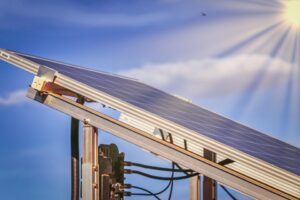
In recent years, the global movement towards renewable energy has gained significant momentum. Among the various renewable energy sources, solar power stands out due to its accessibility and efficiency. Homeowners are increasingly turning to solar energy to reduce their carbon footprint and save on energy costs. This article explores how solar power can maximize home efficiency, offering an in-depth look at the benefits, implementation strategies, and technological advancements that make solar energy an appealing option for modern homes.
Understanding Solar Power
Solar power harnesses energy from the sun using photovoltaic cells, which convert sunlight directly into electricity. This renewable energy source is abundant and sustainable, making it an ideal choice for eco-conscious homeowners. By installing solar panels, homeowners can generate their own electricity, reduce reliance on fossil fuels, and contribute to environmental conservation.
Benefits of Solar Power for Home Efficiency
Environmental Impact
Switching to solar energy significantly reduces a household’s carbon footprint. Traditional electricity generation relies heavily on burning fossil fuels, which emits harmful greenhouse gases. Solar power, on the other hand, produces clean energy, contributing to a reduction in air pollution and a healthier environment.
Cost Savings
One of the most compelling reasons for adopting solar power is the potential for substantial cost savings. While the initial investment in solar panels can be significant, the long-term benefits outweigh the costs. Homeowners can save on energy bills, and in some cases, even eliminate them entirely. Additionally, various government incentives, tax credits, and rebates can offset installation costs, making solar power more affordable.
Energy Independence
By generating their own electricity, homeowners gain energy independence. This reduces reliance on the grid and protects against rising energy costs. In areas prone to power outages, solar power systems with battery storage can provide a reliable backup, ensuring continuous power supply.
Increased Property Value
Solar installations can enhance property value. Homes equipped with solar panels are attractive to environmentally conscious buyers and can command higher selling prices. Studies have shown that properties with solar systems sell faster than those without, making solar power a smart investment for homeowners planning to sell in the future.
Implementing Solar Power Solutions
Assessing Solar Potential
Before investing in solar power, homeowners should assess their property’s solar potential. Factors such as roof orientation, shading, and local climate can affect solar efficiency. Conducting a thorough site assessment will help determine the optimal size and placement of solar panels, maximizing energy generation.
Choosing the Right System
Solar power systems come in various configurations, including grid-tied, off-grid, and hybrid systems. Grid-tied systems are the most common, allowing homeowners to draw from the grid when solar production is low and sell excess energy back to the utility company. Off-grid systems operate independently, requiring battery storage to ensure a continuous power supply. Hybrid systems combine the benefits of both, offering flexibility and reliability.
Installation Process
Professional installation is crucial for maximizing the efficiency and safety of a solar power system. Qualified installers ensure that panels are correctly positioned and securely mounted. They also handle the necessary permits and inspections, ensuring compliance with local regulations. Homeowners should choose reputable installers with a track record of successful installations.
Maintenance and Monitoring
Solar power systems require minimal maintenance, but regular monitoring ensures optimal performance. Cleaning panels periodically and checking for obstructions or damage are essential to maintain efficiency. Many systems come with monitoring software that allows homeowners to track energy production and detect any issues in real-time.
Technological Advancements in Solar Power
Improved Efficiency
Advancements in photovoltaic technology have led to more efficient solar panels. Modern panels can convert a higher percentage of sunlight into electricity, increasing energy output and reducing the number of panels needed for a given energy requirement. This makes solar installations more feasible for homes with limited roof space.
Energy Storage Solutions
Battery storage technology has significantly improved, making solar power more reliable. Lithium-ion batteries, in particular, offer high energy density and long lifespan, allowing homeowners to store excess energy for use during cloudy days or at night. This enhances energy independence and maximizes the benefits of solar power.
Smart Home Integration
Solar power systems can be integrated with smart home technology, allowing homeowners to manage energy use efficiently. Smart inverters and energy management systems enable real-time monitoring and optimization of energy consumption. This integration not only maximizes efficiency but also enhances the overall convenience and functionality of a home.
Overcoming Challenges
Initial Costs
The upfront cost of solar power installation can be a barrier for some homeowners. However, financing options such as solar loans and leases make it more accessible. Additionally, falling costs of solar technology and government incentives continue to make solar power an economically viable option.
Weather Dependence
Solar power production is influenced by weather conditions. While solar panels can generate electricity in cloudy weather, production is reduced compared to sunny days. However, advancements in battery storage and hybrid systems mitigate this issue, ensuring a reliable power supply regardless of weather conditions.
Conclusion
Solar power is a transformative solution for maximizing home efficiency. By harnessing the sun’s energy, homeowners can reduce their environmental impact, achieve energy independence, and enjoy significant cost savings. With ongoing technological advancements and increasing affordability, solar power is poised to play a pivotal role in the transition to sustainable living. Investing in solar power not only benefits individual homeowners but also contributes to a greener, more sustainable future for all.
#ChatGPT assisted in the creation of this article.