As the world intensifies its shift towards renewable energy, solar power has emerged as a leading contender in reducing our carbon footprint. While the adoption of solar panels is on the rise, extracting the maximum efficiency from these panels remains a critical concern for both residential and commercial users. This article delves into expert tips and strategies to enhance the performance of solar panels, ensuring that they operate at their full potential.
Understanding Solar Panel Efficiency
Solar panel efficiency refers to the ability of a panel to convert sunlight into usable electricity. Higher efficiency means more electricity is generated from the same amount of sunlight. Factors such as the type of solar cells, the quality of materials, and the technology used in the panels significantly influence their efficiency.
Types of Solar Panels
There are primarily three types of solar panels: monocrystalline, polycrystalline, and thin-film. Monocrystalline panels are known for their high efficiency and longevity, while polycrystalline panels are slightly less efficient but more cost-effective. Thin-film panels are flexible and lightweight but offer the lowest efficiency among the three.
Positioning and Angle Optimization
One of the simplest ways to maximize solar panel efficiency is to ensure they are positioned and angled correctly. The angle and orientation of the panels have a significant impact on their ability to capture sunlight.
Optimal Tilt Angle
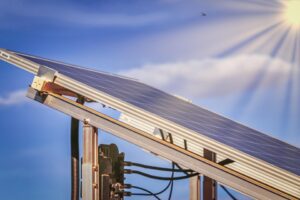
The tilt angle of solar panels should be adjusted to match the latitude of the location where they are installed. This alignment ensures that the panels receive maximum sunlight throughout the year. Seasonal adjustments can further enhance their efficiency, as the sun’s position changes with the seasons.
Orientation
In the northern hemisphere, solar panels should ideally face true south to capture the most sunlight. Conversely, in the southern hemisphere, they should face true north. It’s essential to avoid shading from trees, buildings, or other obstructions that can reduce the panels’ exposure to sunlight.
Regular Maintenance and Cleaning
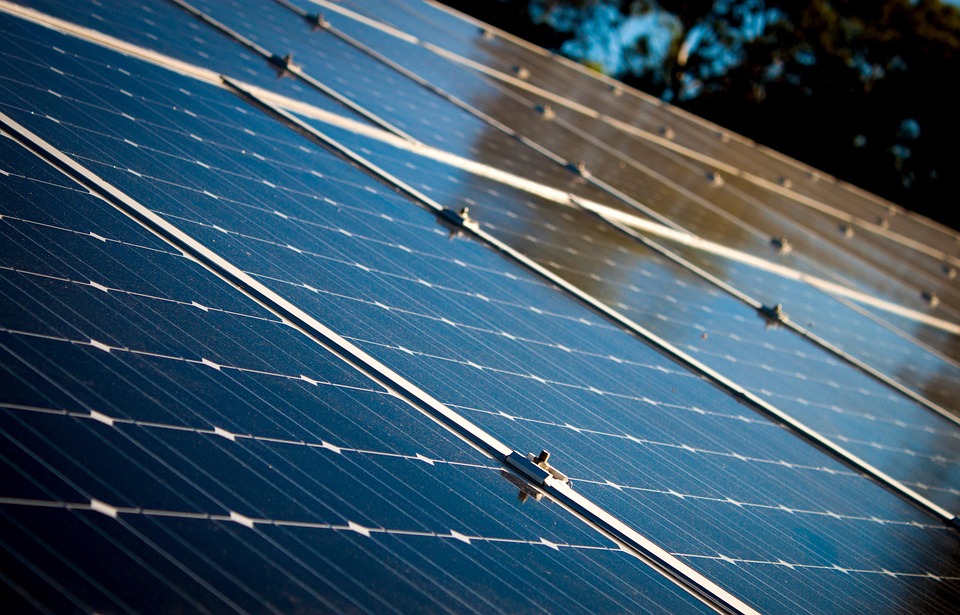
Dust, dirt, and debris can accumulate on solar panels, significantly reducing their efficiency. Regular maintenance and cleaning are crucial to ensure optimal performance.
Cleaning Techniques
Use a soft brush or a sponge with soap and water to clean the panels gently. Avoid using harsh chemicals or abrasive materials that could damage the surface. Cleaning should be done early in the morning or late in the afternoon to prevent water spots caused by rapid evaporation.
Inspection and Repairs
Regularly inspect the panels for any signs of damage or wear. Check the connections and wiring to ensure they are intact and functioning correctly. Promptly address any issues to prevent further damage and maintain efficiency.
Invest in High-Quality Inverters
The inverter is a critical component of a solar power system, converting the direct current (DC) generated by the panels into alternating current (AC) used by most household appliances. High-quality inverters can significantly enhance the overall efficiency of a solar power system.
Choosing the Right Inverter
There are several types of inverters, including string inverters, microinverters, and power optimizers. Microinverters and power optimizers offer better performance in systems where shading is an issue, as they optimize the output of each panel individually. Choose an inverter that matches the specific needs and conditions of your solar installation.
Monitor Performance with Solar Software
Performance monitoring software can help track the efficiency of solar panels and identify any issues that may arise. By keeping a close eye on the system’s performance, potential problems can be addressed quickly.
Features of Solar Monitoring Software
Look for software that provides real-time data on energy production, system efficiency, and potential faults. Advanced software can also offer predictive maintenance suggestions and analyze historical data to optimize performance further.
Utilize Energy Storage Solutions
Energy storage systems, such as batteries, can store excess energy generated by solar panels for later use. This capability ensures that the energy produced is not wasted and can be used during periods of low sunlight or at night.
Choosing the Right Battery
Lithium-ion batteries are the most popular choice for solar energy storage due to their high energy density and long lifespan. Ensure the battery capacity matches your energy needs and consider factors such as cost, efficiency, and warranty when making a decision.
Conclusion
Maximizing the efficiency of solar panels is crucial for getting the most out of your investment in renewable energy. By optimizing their position and angle, maintaining their cleanliness, investing in quality inverters and monitoring software, and utilizing energy storage solutions, you can significantly enhance the performance of your solar power system. As technology continues to evolve, staying informed about the latest advancements and best practices will ensure that your solar panels operate at their peak efficiency, contributing to a more sustainable future.
#ChatGPT assisted in the creation of this article.