In an era marked by environmental consciousness and the need for sustainable energy solutions, solar power has emerged as a pivotal player. Harnessing the sun’s energy not only reduces carbon footprints but also offers significant financial savings. However, to fully capitalize on these benefits, one must understand how to maximize solar power savings effectively. This guide will delve into strategic approaches to optimize solar energy usage and financial gains.
Understanding Solar Power Basics
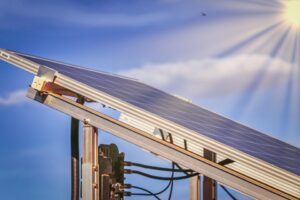
Before diving into strategies for maximizing savings, it’s essential to comprehend the fundamentals of solar power. Solar energy systems primarily consist of photovoltaic (PV) panels that convert sunlight into electricity. These systems can be installed on rooftops or as ground-mounted units, depending on space availability and energy needs.
How Solar Panels Work
Solar panels are made up of numerous solar cells, typically composed of silicon. When sunlight hits these cells, it excites electrons, creating an electric current. This direct current (DC) is then converted into alternating current (AC) using an inverter, making it usable for homes and businesses.
Types of Solar Power Systems
There are three main types of solar power systems:
1. **Grid-tied systems**: These are connected to the local electrical grid and allow for net metering, where excess energy produced can be sold back to the utility company.
2. **Off-grid systems**: These are completely independent of the local grid, relying on battery storage to provide power during non-sunny periods.
3. **Hybrid systems**: These combine the benefits of both grid-tied and off-grid systems, using battery storage while still connected to the grid.
Financial Incentives and Savings Opportunities
Maximizing solar power savings begins with understanding the financial incentives available for solar installations. These incentives can significantly reduce the initial investment and increase long-term savings.
Federal and State Tax Credits
The federal government offers the Investment Tax Credit (ITC), which allows homeowners and businesses to deduct a percentage of their solar installation costs from federal taxes. Many states also offer additional incentives, such as tax credits, rebates, and performance-based incentives.
Net Metering
Net metering is a critical component for maximizing solar savings. It allows solar system owners to earn credits for the excess energy they produce and feed back into the grid. These credits can offset electricity costs when solar production is low, such as during nighttime or cloudy days.
Optimizing Solar Panel Efficiency
The more efficient your solar panels are, the greater the savings. Several factors influence solar panel efficiency, and addressing these can enhance your system’s performance.
Choosing the Right Panels
Not all solar panels are created equal. Consider the efficiency rating, warranty, and durability when selecting panels. Higher efficiency panels may have a higher upfront cost but can lead to greater long-term savings.
Proper Installation and Maintenance
The installation angle and orientation of solar panels significantly impact their efficiency. Ideally, panels should face south and be tilted at an angle equivalent to the latitude of the location. Regular maintenance, such as cleaning panels and checking for shading from trees or buildings, is also crucial.
Energy Consumption Management
Efficient energy consumption is a pivotal aspect of maximizing solar savings. By managing and reducing energy use, you can ensure that more of your solar-generated power is available for essential needs.
Energy Audit
Conduct an energy audit to identify areas where energy use can be reduced. This may involve upgrading to energy-efficient appliances, improving insulation, or sealing leaks in windows and doors.
Smart Home Technology
Implementing smart home technology, such as programmable thermostats and energy monitoring systems, can optimize energy use. These technologies allow for better control over when and how energy is consumed, ensuring that solar energy is used efficiently.
Investing in Battery Storage
Battery storage systems can significantly enhance the savings potential of solar power by storing excess energy for use during periods when solar production is low.
Understanding Battery Options
There are various types of batteries available, including lithium-ion and lead-acid. Each type has its own advantages and drawbacks in terms of cost, lifespan, and efficiency.
Benefits of Battery Storage
Batteries provide energy independence, reduce reliance on the grid, and offer protection against power outages. By storing excess solar energy, you can increase self-consumption and further reduce electricity bills.
Monitoring and Adjusting Solar Performance
Regular monitoring and adjustments ensure that your solar system continues to operate at peak efficiency, maximizing savings.
Performance Monitoring Systems
Utilize performance monitoring systems to track energy production and consumption. These systems provide valuable insights into how your solar system is performing and can help identify issues early on.
Regular System Checks
Schedule regular system checks with a professional to ensure all components are functioning correctly. This includes inspecting the inverter, checking for wiring issues, and ensuring that panels are free from damage or obstructions.
Long-Term Financial Planning
Maximizing solar power savings is not just about immediate gains but also involves long-term financial planning.
Return on Investment
Calculate the return on investment (ROI) for your solar system by considering the total cost of installation, available incentives, and projected energy savings over time. A higher ROI indicates greater financial benefits.
Future-Proofing Your Investment
Stay informed about advancements in solar technology and potential policy changes that could affect your savings. This knowledge allows you to make informed decisions about system upgrades or expansions.
Conclusion
Maximizing solar power savings requires a comprehensive approach that encompasses understanding financial incentives, optimizing system efficiency, managing energy consumption, and investing in technology like battery storage. By implementing these strategies, homeowners and businesses can significantly reduce their energy costs and contribute to a more sustainable future. Solar power is not just an environmental choice but a smart financial investment that, when managed correctly, offers substantial long-term savings.
#ChatGPT assisted in the creation of this article.