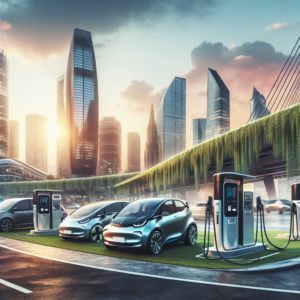
The electric vehicle (EV) revolution is upon us, with increasing numbers of consumers making the environmentally-friendly switch from traditional internal combustion engines to electric alternatives. As EV technology advances, one of the key considerations for potential buyers and current owners alike is maximizing the range of their electric vehicles. Range anxiety, the fear that a vehicle has insufficient range to reach its destination, remains a significant barrier to widespread EV adoption. However, with the right knowledge and strategies, EV owners can optimize their driving habits and vehicle performance to extend their range significantly. This article explores various tips and insights on how to maximize your electric vehicle’s range, enhancing both the driving experience and vehicle efficiency.
Understanding Your Electric Vehicle’s Range
Before diving into tips for maximizing range, it’s crucial to understand what factors influence an EV’s range. Several variables contribute to how far an electric vehicle can travel on a single charge:
- Battery Capacity: The size of the battery pack directly impacts the range. Larger batteries store more energy, allowing for longer distances.
- Driving Habits: Aggressive acceleration, high speeds, and frequent braking can deplete battery life faster.
- Terrain and Weather: Driving uphill requires more energy, while extreme weather conditions, such as cold or hot temperatures, can affect battery efficiency.
- Vehicle Load: Additional weight from passengers or cargo can reduce the range.
- Aerodynamics: The design of the vehicle affects its aerodynamic efficiency, which in turn influences range.
Understanding these factors allows drivers to make informed decisions to optimize their EV’s range.
Optimizing Driving Habits
Drive Smoothly
Smooth driving is one of the most effective ways to extend your EV’s range. Avoid rapid acceleration and sudden braking. Instead, accelerate gradually and anticipate traffic conditions to decelerate smoothly. This approach conserves energy and reduces wear on your vehicle.
Maintain a Moderate Speed
Driving at high speeds increases aerodynamic drag, which can significantly decrease your range. Most EVs are designed to be most efficient at moderate speeds, typically between 50 to 65 miles per hour (80 to 105 kilometers per hour). Staying within this range can help maximize efficiency.
Utilize Regenerative Braking
Regenerative braking is a feature in many EVs that converts kinetic energy back into stored energy in the battery when you slow down or brake. By using this feature, you can recover some of the energy that would otherwise be lost, thus extending your range.
Managing Vehicle Load and Aerodynamics
Minimize Extra Weight
Carrying excess weight requires more energy, reducing your vehicle’s range. Whenever possible, remove unnecessary items from your car, including roof racks or carriers that can also increase aerodynamic drag.
Maintain Proper Tire Pressure
Under-inflated tires can increase rolling resistance, which reduces efficiency. Regularly check and maintain your tire pressure according to the manufacturer’s recommendations to ensure optimal performance.
Consider Aerodynamic Modifications
Some EV owners may choose to make aerodynamic modifications to their vehicles, such as adding wheel covers or rear spoilers, to reduce drag and improve range. These modifications can have a positive impact, especially for those who frequently drive at higher speeds.
Battery Management and Charging Practices
Charge Smart
Charging habits can influence battery health and range. Avoid charging to 100% regularly unless necessary for long trips, as keeping the battery between 20% and 80% can prolong its lifespan and maintain efficiency.
Plan Charging Stops Strategically
For longer trips, plan your charging stops in advance to avoid unnecessary detours or delays. Many EVs come with apps or built-in navigation systems that help locate charging stations along your route.
Avoid Extreme Temperatures
Extreme temperatures can negatively impact battery performance. Whenever possible, park in shaded areas during summer and use battery pre-conditioning features, if available, to optimize battery temperature before driving.
Leveraging Technology and Maintenance
Use Energy-Saving Modes
Most modern EVs come with energy-saving or eco modes that optimize vehicle settings to conserve energy. Utilize these modes during regular commutes to extend your range.
Keep Software Updated
Manufacturers often release software updates that can improve battery management and overall efficiency. Regularly check for and install updates to ensure your vehicle is running optimally.
Regular Maintenance
Regular maintenance is crucial for maximizing an EV’s range. Ensure that your vehicle’s components, such as brakes and tires, are in good condition to avoid unnecessary energy loss.
Conclusion
Maximizing the range of an electric vehicle involves a combination of mindful driving, proper maintenance, and strategic planning. By understanding the factors that affect range and implementing the tips outlined in this article, EV owners can alleviate range anxiety and enjoy a more efficient and enjoyable driving experience. As technology continues to advance, electric vehicles will only become more capable and versatile, further solidifying their place in the future of transportation.
#ChatGPT assisted in the creation of this article.