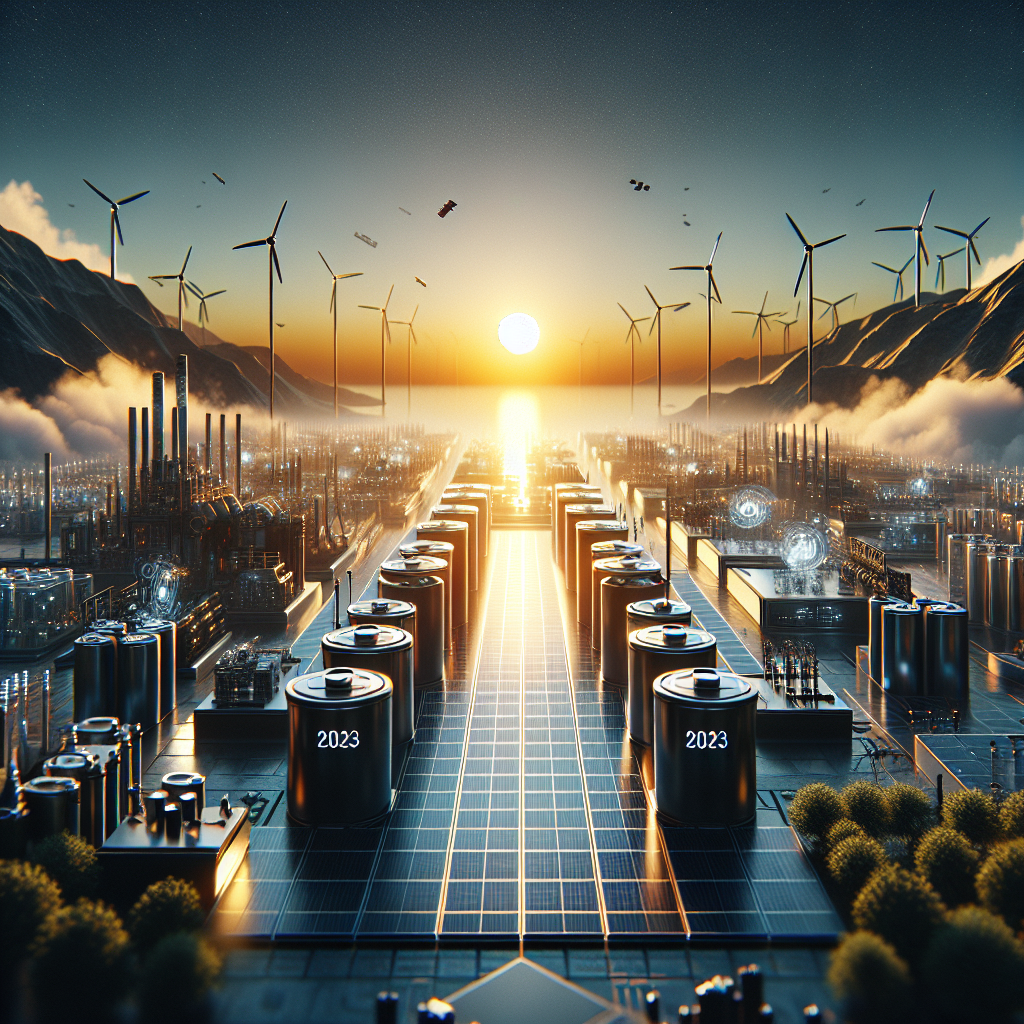
In recent years, the demand for efficient and sustainable energy storage solutions has grown exponentially. As the world shifts towards renewable energy sources, the need for effective storage systems becomes increasingly critical. Batteries have emerged as a cornerstone of this transformation, offering flexible, reliable, and scalable solutions for energy storage. This article delves into the top battery storage solutions of 2026, exploring their technologies, applications, and potential impact on the energy landscape.
Lithium-Ion Batteries: The Dominant Force
Overview
Lithium-ion batteries have long been the frontrunners in the energy storage sector. Known for their high energy density, efficiency, and long cycle life, these batteries are widely used in various applications, from consumer electronics to electric vehicles and grid storage.
Advancements in 2026
In 2026, lithium-ion technology continues to evolve with advancements in materials and manufacturing processes. Researchers are focusing on increasing energy density, improving safety, and reducing costs. Innovations such as solid-state electrolytes and silicon anodes are paving the way for the next generation of lithium-ion batteries, promising even greater performance and reliability.
Sodium-Ion Batteries: A Promising Contender
Overview
Sodium-ion batteries have gained attention as a viable alternative to lithium-ion technology. Utilizing abundant and inexpensive materials, these batteries offer a sustainable and cost-effective solution for energy storage.
Key Developments in 2026
In 2026, sodium-ion batteries have made significant strides in terms of efficiency and energy density. Researchers are focusing on improving the performance of cathode and anode materials, as well as enhancing the overall stability and lifespan of the batteries. As these developments continue, sodium-ion batteries are poised to play a crucial role in large-scale energy storage applications.
Solid-State Batteries: The Future Frontier
Overview
Solid-state batteries represent a revolutionary shift in battery technology. By replacing the liquid electrolyte with a solid one, these batteries promise enhanced safety, higher energy density, and longer lifecycles.
Progress in 2026
In 2026, solid-state batteries have moved closer to commercial viability, with several companies announcing breakthroughs in material science and production techniques. The focus is on achieving scalability and cost-effectiveness, making solid-state batteries a promising candidate for electric vehicles and portable electronics.
Flow Batteries: Sustainable Large-Scale Storage
Overview
Flow batteries offer a unique approach to energy storage, utilizing liquid electrolytes stored in external tanks. This design allows for easy scalability and long-duration energy storage, making flow batteries ideal for grid applications.
Innovations in 2026
In 2026, flow battery technology has advanced with improvements in electrolyte formulations and membrane materials. These innovations have led to increased efficiency and reduced costs, enhancing the viability of flow batteries for large-scale renewable energy integration.
Advanced Lead-Acid Batteries: Reinventing a Classic
Overview
Lead-acid batteries, one of the oldest battery technologies, have undergone significant advancements in recent years. Known for their reliability and recyclability, these batteries remain relevant in various applications, particularly in backup power systems.
Enhancements in 2026
In 2026, advanced lead-acid batteries have seen improvements in energy density and cycle life, thanks to innovations in materials and design. These advancements make lead-acid batteries a cost-effective and environmentally friendly option for specific energy storage needs.
Nickel-Based Batteries: Robust and Reliable
Overview
Nickel-based batteries, including nickel-cadmium (NiCd) and nickel-metal hydride (NiMH), are known for their reliability and robustness. These batteries are widely used in applications where durability and performance are critical.
Trends in 2026
In 2026, nickel-based batteries continue to evolve with enhancements in energy density and environmental impact. The focus is on reducing the use of toxic materials and improving the overall efficiency of these batteries, ensuring their continued relevance in niche markets.
Conclusion
The landscape of battery storage solutions in 2026 is rich with innovation and potential. From the continued dominance of lithium-ion technology to the promising advancements in solid-state and flow batteries, the future of energy storage is bright and dynamic. As these technologies mature and new solutions emerge, the world moves closer to a sustainable energy future, where efficient and reliable storage systems play a pivotal role in integrating renewable energy sources and reducing our carbon footprint.
#ChatGPT assisted in the creation of this article.