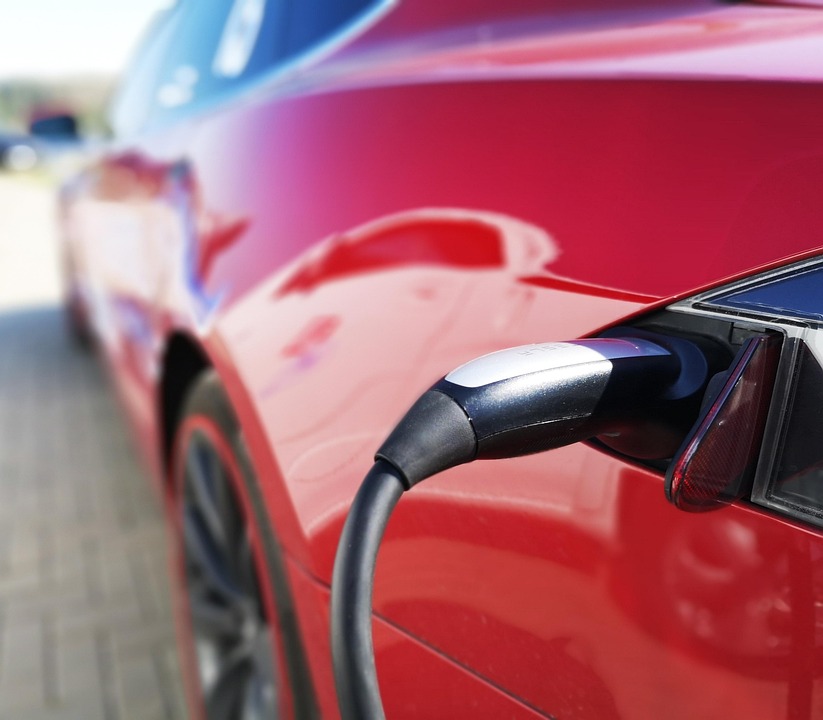
As the world shifts towards sustainable energy solutions, electric vehicles (EVs) have emerged as a key component in reducing greenhouse gas emissions. One of the most critical factors influencing the adoption of EVs is their range, primarily determined by the battery technology powering these vehicles. With the demand for longer-range EVs on the rise, advancing battery technology has become crucial. This article explores the latest innovations in EV battery technology aimed at extending vehicle range, enhancing performance, and ensuring sustainability.
The Importance of Battery Technology in EVs
Battery technology is at the heart of the EV revolution. The range, charging time, cost, and overall performance of an electric vehicle all hinge on the capabilities of its battery. Historically, the limited range of EVs has been a significant barrier to widespread adoption, as consumers often experience “range anxiety”—the fear of running out of battery power before reaching their destination. Addressing this concern requires revolutionary advancements in battery technology.
The Current State of EV Batteries
Most modern EVs rely on lithium-ion batteries, a technology that has been refined over decades. These batteries offer a reasonable balance of energy density, weight, and cost. However, they have limitations, such as finite energy capacity and relatively long charging times. To deliver longer ranges and faster charging, researchers and manufacturers are exploring various strategies to improve or replace conventional lithium-ion batteries.
Innovations in Battery Chemistry
Solid-State Batteries
Solid-state batteries are one of the most promising advancements in EV battery technology. Unlike traditional lithium-ion batteries, which use a liquid electrolyte, solid-state batteries utilize a solid electrolyte. This change offers several benefits, including higher energy density, improved safety, and a reduction in battery size. With a solid electrolyte, the risk of leakage and flammability is minimized, enhancing the overall safety of the vehicle. Companies like Toyota and QuantumScape are at the forefront of developing solid-state battery technology, with expectations that it could revolutionize the EV market within the next decade.
Lithium-Sulfur Batteries
Another exciting development is lithium-sulfur (Li-S) batteries. These batteries promise to significantly surpass the energy density of traditional lithium-ion cells. Sulfur is abundant and inexpensive, making Li-S batteries a cost-effective solution. The challenge lies in overcoming the limited cycle life of these batteries, as sulfur tends to degrade quickly during charging and discharging. If these hurdles can be addressed, Li-S batteries could offer a longer range at a lower cost, making EVs more accessible to a broader audience.
Silicon Anodes
Incorporating silicon into battery anodes is another approach being explored to enhance EV battery performance. Silicon can store significantly more lithium ions than graphite, the traditional anode material, potentially increasing the energy density of the battery. However, silicon expands considerably during charging, which can damage the battery over time. Researchers are actively working on nano-engineering solutions to mitigate this issue, with companies like Tesla investing heavily in silicon anode technology.
Advanced Manufacturing Techniques
Beyond chemistry, advancements in battery manufacturing techniques are pivotal for producing more efficient and cost-effective EV batteries.
3D Printing
3D printing is being explored as a method to produce complex battery architectures that optimize energy density and thermal management. By precisely controlling the arrangement of materials within the battery, 3D printing could enable the creation of batteries that are both lighter and more efficient.
Roll-to-Roll Processing
Roll-to-roll processing is another promising manufacturing technique that can significantly reduce the cost of battery production. This method involves continuously printing battery components onto a flexible substrate, streamlining production and reducing waste. The scalability and cost-effectiveness of roll-to-roll processing could play a key role in making advanced battery technologies economically viable.
Enhancements in Battery Management Systems
A sophisticated battery management system (BMS) is essential for optimizing the performance and lifespan of EV batteries. Innovations in this area are crucial for maximizing range and efficiency.
AI and Machine Learning
Integrating artificial intelligence (AI) and machine learning into BMS allows for real-time monitoring and predictive analytics. By analyzing data from the battery and the vehicle’s operating conditions, AI can optimize charging and discharging cycles, predict maintenance needs, and enhance overall battery health.
Thermal Management
Effective thermal management is vital for maintaining battery performance and safety. Advanced cooling systems and materials that efficiently dissipate heat can prevent overheating, which is particularly important for high-density batteries like solid-state and Li-S variants. Innovations in thermal management help ensure that batteries operate within their optimal temperature range, extending their lifespan and improving efficiency.
Infrastructure and Charging Solutions
While innovations in battery technology are crucial, developments in charging infrastructure and solutions also play a significant role in extending EV range and enhancing convenience for users.
Fast-Charging Networks
The expansion of fast-charging networks is essential for reducing charging times and alleviating range anxiety. Companies and governments worldwide are investing in the development of ultra-fast charging stations that can deliver significant battery charge in a matter of minutes. These networks are particularly important for long-distance travel, enabling EVs to compete more effectively with traditional internal combustion engine vehicles.
Wireless Charging
Wireless charging technology is another area of interest, offering the possibility of seamless and convenient charging experiences. By embedding wireless charging pads in roads and parking spaces, EVs can charge without the need for physical connectors, making the process more user-friendly and reducing wear on connectors and cables.
Conclusion
The quest for longer-range EVs is driving a wave of innovation in battery technology. From solid-state and lithium-sulfur batteries to advanced manufacturing techniques and enhanced battery management systems, the future of EVs is bright. These innovations promise to extend the range, reduce costs, and improve the overall performance and sustainability of electric vehicles. As these technologies continue to evolve and mature, they will play a critical role in accelerating the transition to a sustainable transportation future, ultimately reducing our reliance on fossil fuels and mitigating the impacts of climate change. By investing in and adopting these revolutionary technologies, we can pave the way for a cleaner, more efficient, and more accessible electric vehicle ecosystem.
#ChatGPT assisted in the creation of this article.