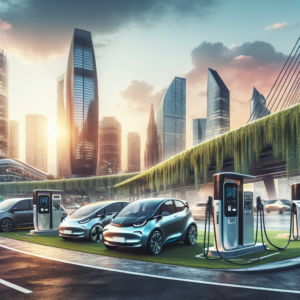
The electric vehicle (EV) industry has been growing at an unprecedented pace over the past decade. As we look towards 2026, the innovations poised to revolutionize our roads are not only remarkable but also essential for the sustainable future of transportation. With advancements in battery technology, autonomous driving, and infrastructure, electric cars are set to become the norm rather than the exception. This article explores the key innovations anticipated in electric vehicles by 2026 and their potential impact on the automotive landscape.
The Evolution of Battery Technology
One of the most significant barriers to the widespread adoption of electric vehicles has been battery technology. However, the next few years promise groundbreaking advancements in this area. By 2026, we are likely to see the commercialization of solid-state batteries, which offer higher energy densities, faster charging times, and improved safety compared to traditional lithium-ion batteries. These batteries are expected to significantly extend the range of electric vehicles, making them more appealing to consumers who have been hesitant to make the switch due to range anxiety.
Additionally, innovations in battery recycling and second-life applications are expected to enhance the sustainability of EVs. As more electric cars hit the roads, the industry will need efficient ways to recycle used batteries, mitigating environmental concerns associated with battery disposal. Companies are also exploring ways to repurpose old EV batteries for energy storage solutions, contributing to a more sustainable energy grid.
Advancements in Autonomous Driving
Autonomous driving technology is another area where significant progress is expected by 2026. Electric vehicles are at the forefront of this innovation, with many manufacturers integrating advanced driver-assistance systems (ADAS) to enhance safety and convenience. By 2026, we can anticipate more widespread deployment of Level 4 autonomous vehicles, which can operate without human intervention in specific conditions.
These advancements will not only change how we drive but also redefine urban planning and infrastructure. Cities will need to adapt to accommodate self-driving cars, potentially leading to reduced traffic congestion and more efficient transportation systems. Moreover, as autonomous vehicles become more prevalent, car ownership models may shift towards a more shared economy, where ride-hailing and car-sharing services become the norm.
Wireless and Ultra-Fast Charging Solutions
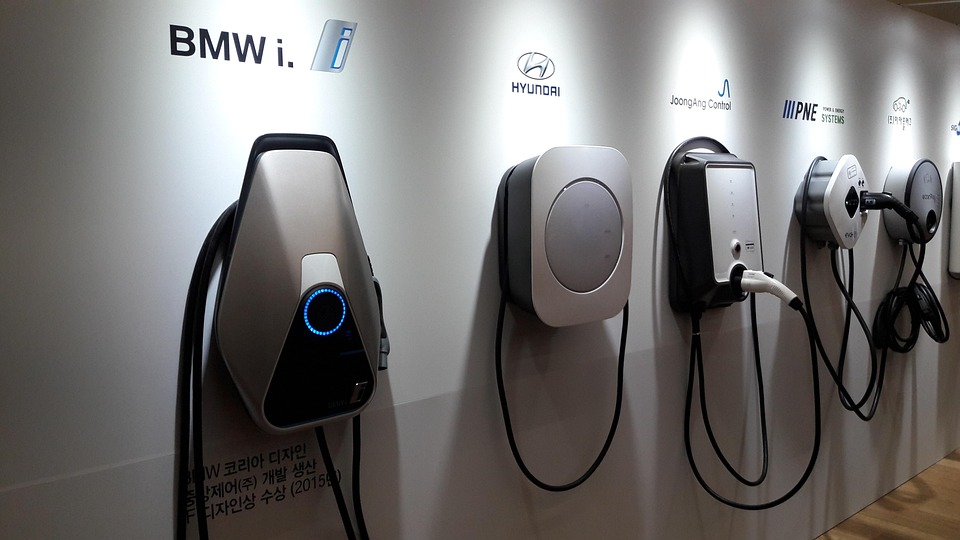
Charging infrastructure remains a critical component of the EV ecosystem. As electric vehicles become more mainstream, the demand for efficient and accessible charging solutions will grow. By 2026, wireless charging technology is expected to gain traction, allowing EVs to charge without the need for physical connectors. This technology will enable seamless integration of charging stations into everyday environments, such as parking lots and even roads, providing drivers with a more convenient and user-friendly experience.
Furthermore, ultra-fast charging stations capable of replenishing an EV’s battery in a matter of minutes will become more widespread. These stations will significantly reduce charging times, making long-distance travel more feasible for electric vehicle owners. As a result, the anxiety surrounding long charging times will diminish, further encouraging the adoption of electric cars.
Integration with Renewable Energy Sources
As the world shifts towards renewable energy, electric vehicles will play a crucial role in this transition. By 2026, EVs are expected to become more integrated with renewable energy sources, such as solar and wind power. Vehicle-to-grid (V2G) technology will allow electric cars to not only draw energy from the grid but also supply energy back during peak demand periods. This two-way flow of energy will help stabilize the power grid and reduce reliance on fossil fuels.
Additionally, advancements in solar technology may lead to the development of solar-powered electric vehicles. While still in its nascent stages, this innovation has the potential to further reduce the carbon footprint of EVs, making them an even more attractive option for environmentally conscious consumers.
Enhanced Connectivity and Infotainment Systems
By 2026, electric vehicles will offer enhanced connectivity features, transforming them into mobile hubs of technology. With the rise of the Internet of Things (IoT), EVs will be equipped with advanced infotainment systems that seamlessly integrate with smartphones and other devices. These systems will provide drivers with real-time information on traffic, weather, and charging station availability, enhancing the overall driving experience.
Moreover, over-the-air (OTA) updates will become a standard feature, allowing manufacturers to provide software enhancements and new features without requiring a visit to the dealership. This capability will not only improve vehicle performance and safety but also extend the lifespan of electric cars, ensuring they remain up-to-date with the latest technological advancements.
Environmental and Economic Impact
The innovations anticipated in electric vehicles by 2026 will have profound environmental and economic implications. As EVs become more efficient and integrated with renewable energy, their environmental benefits will multiply, contributing to a significant reduction in greenhouse gas emissions and air pollution. This shift towards cleaner transportation will be crucial in combating climate change and improving public health.
Economically, the growth of the electric vehicle industry will create new job opportunities across various sectors, from manufacturing and infrastructure development to software engineering and battery recycling. Governments will likely invest in training programs to prepare the workforce for these emerging roles, fostering economic growth and innovation.
Challenges and Considerations
While the future of electric vehicles is promising, several challenges remain. The initial cost of EVs is still higher than that of traditional internal combustion engine vehicles, although this gap is expected to narrow as battery prices continue to decline. Additionally, the expansion of charging infrastructure will require significant investment and coordination between governments, private companies, and utility providers.
Consumer education will also be vital in ensuring the successful adoption of electric vehicles. Potential buyers will need to understand the benefits and limitations of EVs, as well as the available incentives and support systems. Addressing these challenges will be crucial in realizing the full potential of electric cars by 2026.
Conclusion
As we look towards 2026, the innovations in electric vehicles promise to revolutionize our roads and redefine the future of transportation. With advancements in battery technology, autonomous driving, charging infrastructure, and connectivity, electric cars are set to become a cornerstone of a sustainable and efficient transportation system. While challenges remain, the progress made in the coming years will undoubtedly pave the way for a cleaner, smarter, and more connected world.
#ChatGPT assisted in the creation of this article.