In the quest for sustainable energy solutions, solar and wind energy have emerged as frontrunners in the race to reduce our carbon footprint and mitigate the impacts of climate change. Both energy sources offer renewable alternatives to fossil fuels, but the question often arises: which is more efficient? Efficiency in this context is measured not only by the amount of energy produced but also by the cost, environmental impact, and feasibility of implementation. This article delves into the intricacies of solar and wind energy, comparing their efficiencies across various dimensions to provide a comprehensive understanding of their roles in the energy landscape.
Understanding Efficiency in Renewable Energy
Before diving into the specifics of solar and wind energy, it’s crucial to define what efficiency means in the context of renewable energy. Efficiency can be measured in several ways:
Energy Conversion Efficiency
This refers to the proportion of energy from the natural resource (sunlight or wind) that is converted into usable electricity. Higher conversion efficiency means more electricity is generated from the same amount of input energy.
Cost Efficiency
This involves analyzing the cost of producing energy, factoring in installation, maintenance, and operational costs, versus the amount of energy generated.
Environmental Efficiency
This measures the environmental impact of energy production, including land use, wildlife disruption, and emissions generated during manufacturing and operation.
Solar Energy: Harnessing the Power of the Sun
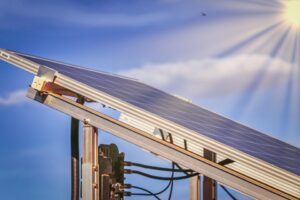
Solar energy is derived from the sun’s rays and can be harnessed through photovoltaic (PV) cells or solar thermal systems. The efficiency of solar energy systems varies based on technology, location, and weather conditions.
Energy Conversion Efficiency
Modern solar panels typically have an energy conversion efficiency of 15% to 22%. Advances in technology continue to push these boundaries, with research focusing on multi-junction cells and perovskite materials promising efficiencies above 30%.
Cost Efficiency
The cost of solar energy has plummeted over the past decade, making it one of the most affordable forms of renewable energy. The levelized cost of electricity (LCOE) for solar has decreased significantly, thanks to reductions in module prices and improvements in panel efficiency. Additionally, solar panels require minimal maintenance, further reducing costs over their lifespan.
Environmental Efficiency
Solar energy systems have a relatively low environmental impact. They utilize land efficiently, especially when installed on rooftops, and do not produce noise pollution. However, the production of solar panels involves energy-intensive processes and the use of hazardous materials, though recycling programs are being developed to mitigate these concerns.
Wind Energy: Capturing the Kinetic Force of Nature
Wind energy is harnessed by converting the kinetic energy of wind into electricity using wind turbines. The efficiency of wind energy depends on factors such as wind speed, turbine technology, and site location.
Energy Conversion Efficiency
Wind turbines have an average energy conversion efficiency of 35% to 45%. The efficiency can reach up to 50% in optimal conditions. Modern turbine designs and innovations in aerodynamics have contributed to these improved efficiencies, making wind power a competitive energy source.
Cost Efficiency
The cost of wind energy has also seen significant reductions, with the LCOE for wind falling steadily. Onshore wind is currently one of the cheapest sources of new electricity. Offshore wind, while more expensive, benefits from stronger and more consistent wind patterns, potentially leading to higher energy outputs.
Environmental Efficiency
Wind energy is considered environmentally friendly, with no emissions during operation. However, wind farms can impact local wildlife, particularly birds and bats, and may alter local climates and landscapes. Technological solutions and careful site selection are essential to minimizing these impacts.
Comparing Efficiency: Solar vs Wind
When comparing the efficiency of solar and wind energy, several factors must be considered:
Location and Resource Availability
The efficiency of both solar and wind energy heavily depends on geographical location. Solar energy is more efficient in regions with high solar insolation, while wind energy is more viable in areas with consistent wind patterns. Hybrid systems combining both technologies can optimize energy production based on local conditions.
Scale and Infrastructure
Solar installations are typically more scalable, suitable for both small-scale residential systems and large-scale solar farms. Wind energy, on the other hand, often requires larger installations and more land, which can be a limiting factor in densely populated areas.
Intermittency and Storage
Both solar and wind energy face challenges with intermittency, as their output depends on weather conditions. Energy storage solutions, such as batteries, and grid integration technologies are crucial to managing supply and demand effectively.
Conclusion: A Balanced Approach
In the debate over whether solar or wind energy is more efficient, the answer largely depends on context. Both energy sources have their strengths and limitations, and their efficiencies are influenced by technological, environmental, and economic factors. Rather than viewing solar and wind as competitors, they should be seen as complementary components of a diversified energy portfolio.
For regions with abundant sunlight and limited wind resources, solar energy may be the more efficient choice. Conversely, areas with strong and consistent winds may benefit more from wind power. Ultimately, the most efficient energy solutions will likely involve a mix of solar, wind, and other renewable resources, tailored to the specific needs and characteristics of each location.
As technology continues to advance, both solar and wind energy will play critical roles in the transition to a sustainable energy future. By leveraging the unique advantages of each, we can move closer to achieving a resilient, low-carbon energy system that meets the demands of a growing global population.
#ChatGPT assisted in the creation of this article.