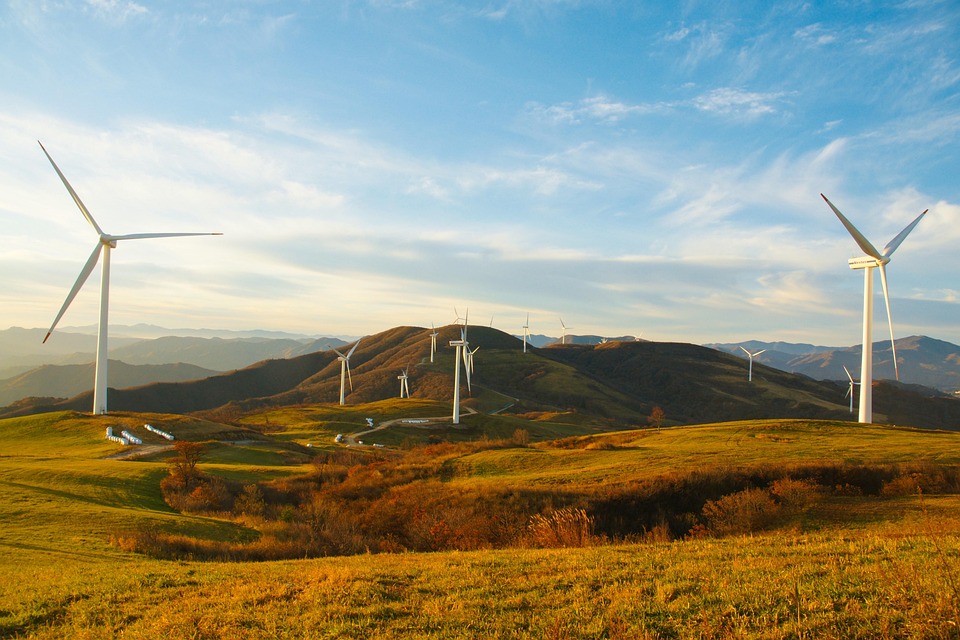
As we steer into 2026, the renewable energy sector continues to evolve rapidly, driven by technological advancements, policy changes, and growing environmental consciousness. This year, several key trends are expected to shape the landscape of renewable energy, influencing industries across the globe. From the rise of green hydrogen to advancements in energy storage, these trends are set to accelerate the transition towards a more sustainable and resilient energy future.
Green Hydrogen Revolution
Green hydrogen has emerged as a pivotal player in the renewable energy sector. Produced using renewable energy sources like solar and wind, green hydrogen offers a clean alternative to fossil fuels. In 2026, we are likely to see significant investments in green hydrogen infrastructure, as industries seek to decarbonize their operations.
The transportation sector, in particular, stands to benefit from green hydrogen. Hydrogen fuel cells can power vehicles with zero emissions, making them an attractive option for freight, public transit, and even aviation. Furthermore, the versatility of hydrogen as a fuel source extends to industrial applications, where it can replace natural gas in processes like steel production.
Advanced Energy Storage Solutions
Energy storage technology is critical for enhancing the reliability and efficiency of renewable energy systems. In 2026, advancements in battery technology are expected to make energy storage more affordable and accessible. Lithium-ion batteries continue to dominate the market, but emerging technologies such as solid-state batteries and flow batteries are gaining traction.
Improved energy storage solutions will enable better integration of intermittent renewable sources like solar and wind into the grid. This will lead to increased energy resilience and stability, reducing reliance on fossil fuel-based backup power systems. Moreover, enhanced storage capabilities will facilitate the electrification of transportation and promote the growth of decentralized energy systems.
Decentralized Energy Systems
The shift towards decentralized energy systems is gaining momentum as individuals and communities seek greater control over their energy consumption. Distributed energy resources (DERs), such as rooftop solar panels and small wind turbines, are becoming increasingly popular. These systems allow consumers to generate their own electricity, reducing their dependence on centralized power plants.
In 2026, we expect to see continued growth in the deployment of decentralized energy systems, driven by falling costs and supportive policies. Microgrids, which are localized energy networks that can operate independently from the main grid, are also on the rise. They offer enhanced energy security and resilience, particularly in regions prone to natural disasters or grid instability.
Digitalization and Smart Grids
Digitalization is transforming the way we produce, distribute, and consume energy. Smart grids, which leverage digital technologies to optimize the flow of electricity, are becoming more prevalent. These grids enable real-time monitoring and management of energy resources, improving efficiency and reliability.
In 2026, the integration of artificial intelligence (AI) and machine learning into energy systems is expected to further enhance grid operations. AI can optimize energy consumption patterns, predict maintenance needs, and even facilitate demand response programs. As a result, smart grids will play a crucial role in accommodating the growing share of renewables in the energy mix.
Offshore Wind Expansion
Offshore wind energy is poised for significant expansion in 2026. With vast potential for generating clean electricity, offshore wind farms are being developed at an unprecedented pace. Advances in turbine technology, such as larger rotor diameters and floating platforms, are making offshore wind more cost-effective and accessible.
The expansion of offshore wind projects is expected to create new opportunities for industries and job creation. Ports and coastal communities stand to benefit from increased economic activity, while the energy sector moves closer to achieving its decarbonization goals. Moreover, offshore wind can complement other renewable sources by providing a consistent and reliable energy supply.
Carbon Capture and Utilization
As industries transition to renewable energy, carbon capture and utilization (CCU) technologies are gaining attention as a means to mitigate emissions. CCU involves capturing carbon dioxide emissions from industrial processes and converting them into valuable products, such as fuels, chemicals, and building materials.
In 2026, we anticipate increased investment in CCU technologies, driven by the need to address hard-to-abate emissions in sectors like cement and steel manufacturing. By capturing and repurposing carbon emissions, industries can reduce their carbon footprint and contribute to the circular economy. CCU also aligns with global efforts to achieve net-zero emissions by mid-century.
Renewable Energy Policies and Incentives
Government policies and incentives play a crucial role in driving the adoption of renewable energy. In 2026, we expect to see continued policy support for renewable energy projects, with an emphasis on achieving climate goals and energy security. Many countries are implementing carbon pricing mechanisms and renewable energy mandates to accelerate the transition.
Additionally, international collaborations are likely to strengthen as nations work together to address global climate challenges. The development of standardized frameworks for renewable energy deployment will facilitate cross-border cooperation and investment, fostering a more robust and interconnected global energy market.
Conclusion
The renewable energy sector is at the forefront of the global transition towards a sustainable future. In 2026, key trends such as the green hydrogen revolution, advanced energy storage solutions, and offshore wind expansion are set to transform industries and reshape the energy landscape. As these trends unfold, they will drive innovation, create new business opportunities, and contribute to the fight against climate change.
By staying informed and adapting to these trends, industries can position themselves for success in the renewable energy era. Embracing sustainable practices and technologies will not only enhance competitiveness but also contribute to a cleaner, greener, and more resilient planet for future generations.
#ChatGPT assisted in the creation of this article.