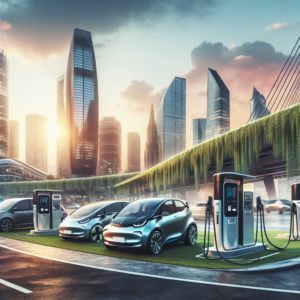
The electric vehicle (EV) industry continues to grow at a rapid pace, driven by technological advancements, environmental concerns, and supportive government policies. As we look ahead to 2026, the landscape of EV incentives is expected to evolve, offering more robust support to consumers and manufacturers alike. This article explores the top EV incentives to anticipate in 2026, focusing on government policies, technological breakthroughs, and market trends that will shape the future of electric mobility.
Federal Tax Credits and Rebates
One of the most significant incentives for electric vehicle adoption has been federal tax credits. In 2026, we can expect these credits to become even more attractive. The U.S. government, along with other countries, is likely to enhance tax credit programs to accelerate the transition to zero-emission vehicles. This could include increasing the maximum credit amount and extending eligibility to a broader range of EV models, including those with advanced battery technologies.
State and Local Incentives
State and local governments play a crucial role in promoting EV adoption through various incentives. By 2026, states may expand existing programs or introduce new initiatives to address regional environmental goals. These incentives could include rebates on EV purchases, reduced registration fees, access to high-occupancy vehicle (HOV) lanes, and exemptions from tolls. Additionally, local governments might offer grants for installing home charging stations, further reducing costs for EV owners.
Infrastructure Development Support
To support the growing number of electric vehicles on the road, infrastructure development is paramount. In 2026, expect increased government investment in charging infrastructure. This will include the expansion of fast-charging networks and incentives for businesses and public spaces to install charging stations. These efforts will aim to alleviate range anxiety, making EVs a more practical choice for everyday use.
Corporate Incentives and Partnerships
Corporations have a vested interest in promoting electric vehicles, both for environmental responsibility and brand positioning. By 2026, expect more companies to offer incentives to employees who purchase or lease EVs. These incentives may include subsidies, preferential parking spots, and access to workplace charging facilities. Additionally, we may see more partnerships between automakers and tech companies to integrate EVs with smart home systems, offering seamless energy management solutions.
Innovation in Battery Technologies
Battery technology is at the heart of the electric vehicle revolution. By 2026, significant advancements in battery chemistry, such as solid-state batteries, are expected to enhance the range, charging speed, and overall performance of EVs. These breakthroughs will likely drive down costs, making EVs more affordable. Governments and private sectors may offer incentives to accelerate the adoption of vehicles equipped with these next-generation batteries.
Green Financing and Leasing Options
Financial institutions are increasingly recognizing the importance of supporting sustainable transportation. By 2026, expect more green financing options for EV purchases, including lower interest rates for loans and leases. These financial incentives will make it easier for consumers to transition to electric vehicles, especially in regions where upfront costs remain a barrier to adoption. Leasing options may also become more attractive, with flexible terms and reduced down payments.
Environmental and Social Impact Incentives
As society becomes more conscious of climate change and environmental stewardship, incentives that highlight the positive impact of EVs on the environment and public health may gain traction. In 2026, we could see initiatives that reward EV owners for reducing their carbon footprint or participating in community-based clean energy projects. Such programs may include discounts on renewable energy subscriptions or credits for using shared electric mobility services.
Government-Backed Research and Development
To foster innovation and competitiveness in the EV market, government-backed research and development initiatives will likely continue to grow. By 2026, increased funding for R&D can be expected, focusing on improving battery technologies, vehicle efficiency, and sustainable manufacturing practices. These efforts will not only drive technological advancements but also create new opportunities for startups and established companies in the EV sector.
International Collaboration
The shift to electric mobility is a global endeavor, and international collaboration is vital to its success. By 2026, we may see more cross-border collaborations aimed at harmonizing standards and accelerating the development of EV infrastructure. This could include joint ventures between countries to build charging networks that span continents or initiatives to share research findings on battery technologies. Such collaborations will help create a more integrated and efficient global EV ecosystem.
Conclusion
As we look toward 2026, the landscape of EV incentives is poised for significant transformation. Enhanced federal and state incentives, coupled with advancements in battery technology and infrastructure development, will play pivotal roles in driving EV adoption. Additionally, corporate partnerships, green financing options, and international collaborations will further support the transition to a sustainable transportation future. These incentives are not just about encouraging the purchase of electric vehicles; they are about fostering a holistic ecosystem that supports clean energy, reduces emissions, and enhances the quality of life for future generations.
#ChatGPT assisted in the creation of this article.