In today’s competitive business environment, managing operational costs effectively is crucial for maintaining profitability and ensuring sustainability. One of the most significant areas where businesses can achieve cost reductions is energy consumption. By implementing strategic energy-saving measures, businesses not only reduce their expenses but also contribute to environmental sustainability. In this article, we will explore expert tips on unlocking business energy savings, helping your organization become more energy-efficient and cost-effective.
Understanding Energy Usage
Before diving into specific energy-saving strategies, it’s important to understand your current energy consumption patterns. Conducting an energy audit can provide valuable insights into how energy is being used within your business. These audits identify areas of high energy usage and potential inefficiencies, forming the basis for a targeted energy-saving plan.
Conduct an Energy Audit
An energy audit involves a comprehensive assessment of your business’s energy use. This process can be conducted internally or through external experts who specialize in energy management. The audit will typically involve:
- Reviewing energy bills and usage data.
- Inspecting equipment and facilities for energy efficiency.
- Identifying areas of energy waste.
- Recommending improvements and potential savings.
Analyze Energy Bills
Scrutinizing your energy bills can reveal patterns and anomalies in consumption. Look for:
- Peak usage times and demand charges.
- Unusually high consumption periods.
- Opportunities for switching to a more cost-effective tariff.
Implement Energy-Efficient Practices
Once you have a clear understanding of your energy usage, you can implement energy-efficient practices. These strategies not only cut costs but also enhance your business’s sustainability profile.
Upgrade to Energy-Efficient Equipment
Investing in energy-efficient appliances and equipment can lead to substantial savings over time. Consider replacing outdated machinery with energy-efficient models. Key areas to focus on include:
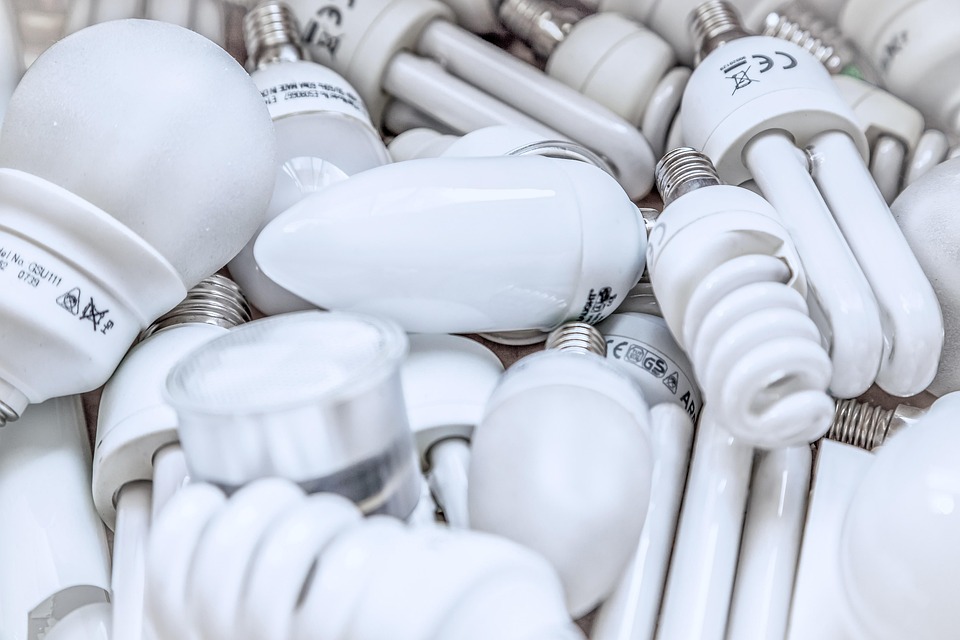
- Lighting: Switch to LED lighting, which consumes significantly less power than traditional bulbs.
- HVAC Systems: Install energy-efficient heating, ventilation, and air conditioning systems to reduce energy consumption.
- Office Equipment: Use Energy Star-certified computers, printers, and appliances.
Optimize Lighting Use
Lighting can account for a significant portion of a business’s energy use. Optimize lighting by:
- Installing motion sensors and timers to ensure lights are only on when needed.
- Maximizing natural light by arranging workspaces near windows and using reflective surfaces.
- Regularly maintaining and cleaning lighting fixtures to ensure they operate efficiently.
Enhance Building Efficiency
Improving the energy efficiency of your business premises can result in significant energy savings. This involves both structural improvements and operational changes.
Improve Insulation
Proper insulation minimizes heat loss in winter and keeps buildings cooler in summer. Key areas to address include:
- Roof and walls: Upgrade to high-quality insulation materials.
- Windows and doors: Install double-glazed windows and seal any drafts.
Implement a Building Management System (BMS)
A Building Management System integrates and automates the control of various building systems, such as heating, cooling, and lighting. Benefits include:
- Optimized energy use through real-time monitoring and adjustments.
- Improved comfort and productivity for occupants.
Engage Employees in Energy Conservation
Engaging your employees in energy-saving initiatives can amplify your efforts and foster a culture of sustainability within the organization.
Promote Energy Awareness
Educating employees about the importance of energy conservation and how they can contribute is crucial. Strategies include:
- Conducting regular training sessions and workshops.
- Displaying energy-saving tips and reminders in common areas.
Encourage Behavioral Changes
Simple behavioral changes can lead to significant energy savings. Encourage employees to:
- Turn off lights and equipment when not in use.
- Use stairs instead of elevators for short trips.
- Participate in energy-saving challenges and initiatives.
Leverage Technology for Energy Management
Adopting technological solutions can streamline energy management and enhance efficiency.
Utilize Energy Management Software
Energy management software provides tools to monitor, control, and optimize energy use. Benefits include:
- Tracking energy consumption in real-time.
- Identifying usage trends and areas for improvement.
- Automating energy-saving measures and reporting.
Invest in Smart Devices
Smart devices, such as programmable thermostats and smart meters, offer precise control over energy use. Features include:
- Remote monitoring and adjustment of energy settings.
- Customizable schedules to align with business operations.
Explore Renewable Energy Options
Transitioning to renewable energy sources can significantly reduce your business’s carbon footprint and reliance on traditional energy sources.
Install Solar Panels
Solar panels are a popular renewable energy solution for businesses. Benefits include:
- Generating clean, renewable energy on-site.
- Reducing electricity bills and potentially earning credits through net metering.
Consider Wind Energy
For businesses in suitable locations, wind energy can be a viable option. Advantages include:
- Providing a sustainable and cost-effective energy source.
- Reducing exposure to volatile energy prices.
Conclusion
Unlocking business energy savings requires a comprehensive approach, combining strategic planning, technological adoption, and employee engagement. By implementing these expert tips, your business can achieve significant cost reductions while enhancing its sustainability efforts. As energy costs continue to rise, taking proactive steps to manage energy consumption is not only a financial imperative but also a commitment to a more sustainable future. Embrace these strategies and position your business as a leader in energy efficiency and environmental responsibility.
#ChatGPT assisted in the creation of this article.