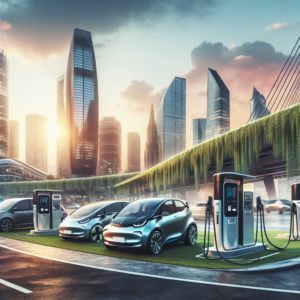
The rise of electric vehicles (EVs) has been a game-changer in the automotive industry, offering a sustainable alternative to traditional gasoline-powered cars. As the demand for EVs continues to grow, so does the need for efficient and rapid charging solutions. While EV technology has advanced significantly over the years, the charging infrastructure often lags behind. One of the most significant barriers to widespread EV adoption is the time it takes to charge a vehicle. In this article, we will explore key strategies and tips to unlock faster EV charging, making electric vehicles more convenient and appealing for users.
Understanding the Basics of EV Charging
Before diving into the tips for faster EV charging, it’s essential to understand the basic types of charging available:
- Level 1 Charging: This is the simplest form of charging, using a standard household outlet (120V). It is the slowest method and primarily used for overnight charging at home.
- Level 2 Charging: Utilizing a 240V outlet, Level 2 charging is faster than Level 1 and is commonly found in homes, public charging stations, and workplaces.
- DC Fast Charging (Level 3): These are high-power charging stations that can charge an EV much quicker than Level 1 or 2. They are typically located along highways and in areas with high EV traffic.
Tip 1: Optimize Your Charging Location
One of the simplest ways to ensure faster charging is to be strategic about where you charge. While home charging is convenient, public charging stations, especially those equipped with DC Fast Chargers, can significantly reduce charging time. When planning long trips, identify fast-charging stations along your route using apps or the navigation system within your EV. This way, you can maximize your charging speed and minimize downtime.
Tip 2: Schedule Charging for Off-Peak Hours
Electric utilities often charge different rates for electricity usage based on the time of day. Charging your EV during off-peak hours, typically late at night, can not only save you money but also provide faster charging speeds due to less strain on the grid. Additionally, many EVs come with scheduling functions that allow you to set charging times, making it easier to take advantage of off-peak hours.
Tip 3: Maintain Optimal Battery Temperature
Battery temperature plays a crucial role in charging speed. Cold or extremely hot batteries can charge more slowly. Some EVs come with thermal management systems to keep the battery at an optimal temperature. In colder climates, preconditioning your vehicle (warming it up while still plugged in) can help maintain battery efficiency and speed up the charging process. Similarly, in hot weather, parking in shaded areas or garages can prevent the battery from overheating, ensuring faster charging.
Tip 4: Utilize the Right Charging Equipment
Investing in a quality home charging station can make a significant difference in charging speed. A Level 2 home charger is a worthwhile investment for faster charging compared to a Level 1 plug. Ensure that your home electrical system can handle the additional load and consider consulting with a professional electrician to install the charger safely. Additionally, always use the charging cable specified by your vehicle’s manufacturer to ensure compatibility and efficiency.
Tip 5: Keep Your Vehicle Software Updated
Manufacturers frequently release software updates for EVs that can enhance performance, including charging speed. Regularly updating your vehicle’s software ensures that you have the latest advancements and improvements in charging technology. Many EVs can update over-the-air, making it easy to stay current with minimal effort. Always follow the manufacturer’s instructions for updates to avoid any potential issues.
Tip 6: Monitor and Manage Battery Health
The health of your EV’s battery can impact charging speed and overall vehicle performance. Avoid frequently charging to 100% or letting the battery deplete completely, as these practices can degrade battery health over time. Instead, aim to keep the battery level between 20% and 80% for optimal longevity. Many EVs allow you to set charging limits to prevent overcharging, which can contribute to faster and more efficient charging sessions.
Tip 7: Take Advantage of Smart Charging Solutions
Smart charging solutions are becoming increasingly popular, offering features like remote monitoring, scheduled charging, and energy efficiency insights. These systems can optimize charging times, reduce costs, and improve grid stability. By integrating with home energy management systems, smart chargers can adjust charging speed based on real-time electricity prices, ensuring you get the best rates and fastest charging possible.
Tip 8: Be Mindful of Charging Station Etiquette
When using public charging stations, be considerate of other EV users. Avoid occupying a charging spot longer than necessary, especially at fast-charging stations. Once your vehicle reaches an adequate charge level, move it to a parking space to free up the station for others. This practice not only promotes a positive EV community but also ensures that fast chargers remain available for those who need them most.
Conclusion
As electric vehicles become a staple of modern transportation, unlocking faster charging is crucial for enhancing the EV ownership experience. By following these tips, EV owners can significantly reduce charging times, making electric vehicles more convenient and efficient for everyday use. From optimizing charging locations and scheduling to maintaining battery health and utilizing smart charging solutions, these strategies offer practical ways to embrace the future of transportation. The evolution of EV charging technology promises to deliver even faster and more reliable solutions, paving the way for a cleaner and more sustainable automotive landscape.
#ChatGPT assisted in the creation of this article.