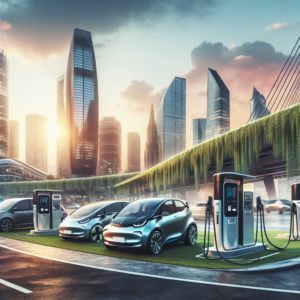
The transportation industry is undergoing a transformation unlike any it has experienced before. At the forefront of this change is the electric vehicle (EV), a technology that promises to revolutionize how we travel and impact the environment. As governments, companies, and consumers increasingly prioritize sustainability, the advancements in electric vehicle technology are driving this shift. This article explores the breakthroughs that are propelling the electric vehicle sector into a new era of transportation.
The Rise of Electric Vehicles
Electric vehicles have been around for over a century, yet it is only in the past decade that they have gained significant traction. Factors such as environmental concerns, advancements in battery technology, and supportive government policies have accelerated the adoption of EVs. Consumer interest is also growing, driven by a desire for cleaner transportation options and the appeal of cutting-edge technology.
Advancements in Battery Technology
Lithium-Ion Batteries and Beyond
At the heart of every electric vehicle is its battery, which determines the vehicle’s range, efficiency, and overall performance. Lithium-ion batteries have been the standard in the industry, offering a balance of energy density and safety. However, the quest for longer ranges and shorter charging times has led to significant research and development in alternative battery technologies.
Solid-State Batteries
One of the most promising developments is the solid-state battery. Unlike traditional lithium-ion batteries that use liquid electrolytes, solid-state batteries utilize a solid electrolyte, offering numerous advantages. These include higher energy density, faster charging times, and enhanced safety due to reduced risk of leakages and thermal runaway. Companies like Toyota and QuantumScape are heavily investing in this technology, aiming to bring it to market within the next few years.
Battery Recycling and Sustainability
As electric vehicles become more prevalent, the need for sustainable battery disposal and recycling has become critical. Innovations in battery recycling processes aim to recover valuable materials such as lithium, cobalt, and nickel, reducing the environmental impact of EVs. Companies are also exploring second-life applications for EV batteries, repurposing them for energy storage systems, thereby extending their usability and reducing waste.
Charging Infrastructure and Fast Charging
Expanding Charging Networks
The expansion of charging infrastructure is vital for the widespread adoption of electric vehicles. Public and private sectors are investing heavily in developing extensive charging networks across urban and rural areas. Companies like Tesla, ChargePoint, and Electrify America are leading the charge, creating a robust infrastructure that alleviates range anxiety for EV owners.
Fast Charging Technology
Fast charging technology is another area experiencing rapid advancements. New charging standards, such as the Combined Charging System (CCS) and CHAdeMO, enable faster charging times, allowing drivers to charge their vehicles in a fraction of the time it takes with conventional chargers. Additionally, innovative solutions like wireless charging and ultra-fast chargers are being developed, making the charging process more convenient and efficient.
Autonomous Electric Vehicles
The Intersection of Autonomy and Electrification
The convergence of autonomous driving technology with electric vehicles represents a significant leap forward in transportation. Autonomous electric vehicles (AEVs) have the potential to reshape urban mobility, reduce traffic congestion, and enhance road safety. Companies like Waymo, Tesla, and Cruise are at the forefront of developing AEVs, leveraging advances in artificial intelligence, machine learning, and sensor technology.
Challenges and Opportunities
While the promise of autonomous electric vehicles is enticing, several challenges must be addressed. These include regulatory hurdles, cybersecurity concerns, and the need for robust infrastructure to support self-driving capabilities. However, the potential benefits, such as reduced emissions, improved efficiency, and enhanced accessibility, make the pursuit of AEVs a worthwhile endeavor.
Innovations in Electric Motors
Efficiency and Performance
Electric motors are the powerhouse of EVs, and advancements in motor technology are crucial for improving vehicle performance. Innovations in electric motors focus on enhancing efficiency, reducing weight, and increasing power output. Technologies such as axial flux motors and permanent magnet synchronous motors are being refined to deliver superior performance and efficiency.
Integration with Smart Grids
The integration of electric vehicles with smart grids is a promising development that optimizes energy consumption and distribution. Smart grids enable bidirectional energy flow, allowing EVs to not only draw power from the grid but also supply excess energy back, contributing to grid stability and reducing energy costs for consumers. This synergy between EVs and smart grids represents a step towards a more sustainable and resilient energy ecosystem.
The Role of Government and Policy
Incentives and Regulations
Government policies play a crucial role in accelerating the adoption of electric vehicles. Incentives such as tax credits, rebates, and subsidies for EV buyers have made electric vehicles more accessible and affordable. Additionally, regulations aimed at reducing carbon emissions and promoting clean energy solutions have encouraged automakers to invest in EV technology and infrastructure development.
Global Initiatives
Countries around the world are setting ambitious targets for electric vehicle adoption. The European Union, China, and the United States are among the leading regions implementing policies and initiatives to transition towards electric mobility. These initiatives include investments in charging infrastructure, research and development funding, and mandates for automakers to increase the production of zero-emission vehicles.
Consumer Adoption and Market Trends
Changing Consumer Preferences
Consumer preferences are evolving, with a growing emphasis on sustainability and technology. Electric vehicles, once considered niche, are now becoming mainstream, appealing to a broader audience. The availability of diverse EV models, from compact cars to luxury SUVs, caters to different consumer needs and preferences, further driving adoption.
The Role of Automakers
Automakers are investing heavily in electric vehicle technology, recognizing the shift in consumer demand and the need for sustainable transportation solutions. Established manufacturers like Tesla, Ford, and General Motors are expanding their EV lineups, while new entrants such as Rivian and Lucid Motors are making waves with innovative offerings. This competitive landscape is fostering innovation and driving down costs, making EVs more accessible to consumers worldwide.
Conclusion
The breakthroughs in electric vehicle technology are not just transforming the automotive industry but also shaping the future of transportation. With advancements in battery technology, charging infrastructure, autonomous driving, and motor efficiency, electric vehicles are becoming more practical, efficient, and desirable. As governments, companies, and consumers continue to prioritize sustainability, the electric vehicle revolution will play a pivotal role in achieving a cleaner and more sustainable future. The journey towards revolutionizing transportation has begun, and electric vehicles are leading the way.
#ChatGPT assisted in the creation of this article.