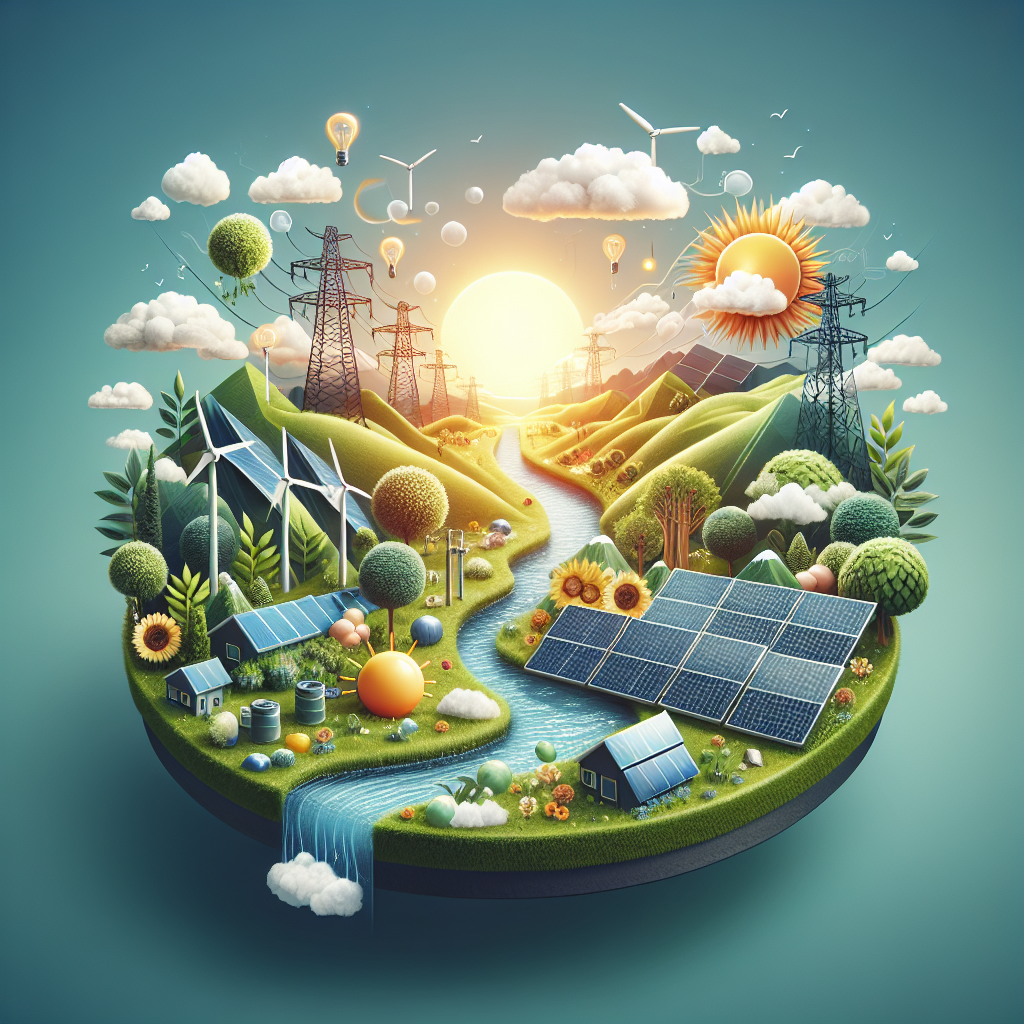
Solar energy has emerged as one of the most promising renewable energy sources in recent years. With the increasing awareness of climate change and the need to transition to more sustainable energy solutions, solar power is at the forefront of the global energy revolution. This article explores the advantages and disadvantages of solar energy, offering a comprehensive analysis to help individuals and policymakers make informed decisions about its implementation.
The Basics of Solar Energy
Solar energy harnesses the power of the sun’s rays and converts it into electricity using photovoltaic (PV) cells. These cells, typically made from silicon, are installed in solar panels. When sunlight strikes the panels, it excites electrons within the PV cells, generating direct current (DC) electricity. An inverter then converts this DC electricity into alternating current (AC), which can be used to power homes and businesses.
Pros of Solar Energy
1. Renewable and Abundant
One of the most significant advantages of solar energy is its renewable nature. Unlike fossil fuels, which are finite and will eventually deplete, solar energy is inexhaustible. The sun provides more energy in an hour than the entire world consumes in a year, making it an abundant resource that can be harnessed indefinitely.
2. Environmentally Friendly
Solar energy is a clean and green source of power. It produces no greenhouse gases or pollutants during operation, making it an environmentally friendly alternative to fossil fuels. By reducing reliance on coal, oil, and natural gas, solar energy helps decrease air pollution and combat climate change.
3. Reduces Electricity Bills
Installing solar panels can lead to significant savings on electricity bills. Once the initial investment is recouped, solar energy systems can provide free electricity for many years. In some regions, excess solar power can be sold back to the grid, further reducing costs and providing an additional income stream.
4. Energy Independence
By generating their own electricity, individuals and businesses can become less dependent on the grid and traditional energy providers. This energy independence can be particularly beneficial in remote areas where access to the grid is limited or unreliable.
5. Low Maintenance Costs
Solar energy systems require minimal maintenance. Solar panels have no moving parts, reducing the risk of mechanical failure. With occasional cleaning and periodic checks by a professional, solar panels can last for 25 years or more, making them a cost-effective energy solution.
Cons of Solar Energy
1. High Initial Costs
One of the primary barriers to the widespread adoption of solar energy is the high initial cost of purchasing and installing solar panels. Although prices have decreased significantly over the past decade, the upfront investment can still be substantial, making it challenging for some homeowners and businesses to afford.
2. Weather Dependent
Solar energy production is dependent on sunlight, making it less reliable in cloudy or rainy weather. Although solar panels can still generate electricity on overcast days, their efficiency is reduced. This weather dependency can be a concern in regions with frequent inclement weather.
3. Energy Storage Challenges
Solar energy systems produce electricity during the day when the sun is shining, but peak energy consumption often occurs in the evening. Storing solar energy for use during non-sunny hours remains a challenge. While battery technology is advancing, current storage solutions can be expensive and may not always be efficient.
4. Space Requirements
Solar panels require a considerable amount of space, which can be a limitation for urban areas with limited roof space or land availability. Large-scale solar farms can take up significant land areas, potentially impacting local ecosystems and land use.
5. Environmental Impact of Manufacturing
While solar energy is clean during operation, the manufacturing process of solar panels can have environmental impacts. The production of PV cells involves energy-intensive processes and the use of hazardous materials. However, advancements in technology and recycling processes are gradually mitigating these concerns.
Conclusion
Solar energy offers a viable and sustainable solution to the world’s energy needs, with the potential to significantly reduce our reliance on fossil fuels and mitigate environmental impacts. While there are challenges to overcome, such as high initial costs and energy storage, the benefits of solar energy—such as its renewability, environmental friendliness, and potential for cost savings—are substantial.
As technology continues to advance and costs decrease, solar energy is poised to play a significant role in the transition to a cleaner and more sustainable energy future. Policymakers, businesses, and individuals must carefully weigh the pros and cons to make informed decisions about integrating solar energy into their energy strategies, ensuring a balanced approach to achieving energy security and environmental sustainability.
#ChatGPT assisted in the creation of this article.